November 10, 2026
Ensuring the long-term structural integrity of a residence requires consistent care, detailed physical evaluations, and professional technical oversight. A residential roofing system stands as the primary barrier against severe weather conditions, meaning that minor surface vulnerabilities can quickly escalate into extensive, highly expensive structural failures if left unexamined over extended periods. Scheduling a comprehensive physical review by qualified local roofers allows property owners to identify hidden weaknesses, mitigate ongoing environmental wear, and construct a realistic plan for future ongoing maintenance expenses effectively.
This detailed physical examination encompasses every major functional element of the residential property, systematically evaluating both exterior surface materials and underlying attic support structures. Beyond preventing sudden catastrophic system failures, routine professional assessments preserve optimal household energy efficiency, lower overall monthly utility overhead, and protect interior living spaces from subtle, destructive moisture penetration. Understanding the complete step-by-step procedure empowers homeowners to ask targeted technical questions, evaluate written diagnostic reports accurately, and maintain their valuable real estate investments with total clarity and confidence. Continuous proactive monitoring remains the most reliable strategy for protecting families and structural assets against unexpected storms throughout every season of the year.
Preparing for the Initial Project Consultation
Preparing for a professional structural evaluation involves detailed preliminary discussions between the property owner and the assigned technical team. During this initial introductory conversation, homeowners have the opportunity to outline known performance issues, review historical repair work, and share specific personal observations such as seasonal moisture leaks, unexplained draftiness, or interior wall staining. Engaging experienced local roofers at this early operational stage ensures that specific individual areas of concern are flagged immediately and fully integrated into the official step-by-step examination plan.
Establishing clear communication protocols before technical personnel arrive on the property sets realistic expectations regarding overall project timelines and structural access requirements. The specialist will outline the anticipated duration of the evaluation, explain the physical tools and measurement equipment to be utilized, and verify safety protocols for full property access. Addressing these essential logistical details upfront ensures a completely streamlined operational workflow, allowing technical teams to conduct an uninterrupted, comprehensive physical review of the entire property safely and efficiently. Establishing a solid working rapport during this phase ensures that all future physical assessments proceed seamlessly and without unnecessary delay.
Evaluating Exterior Surface Materials and Features
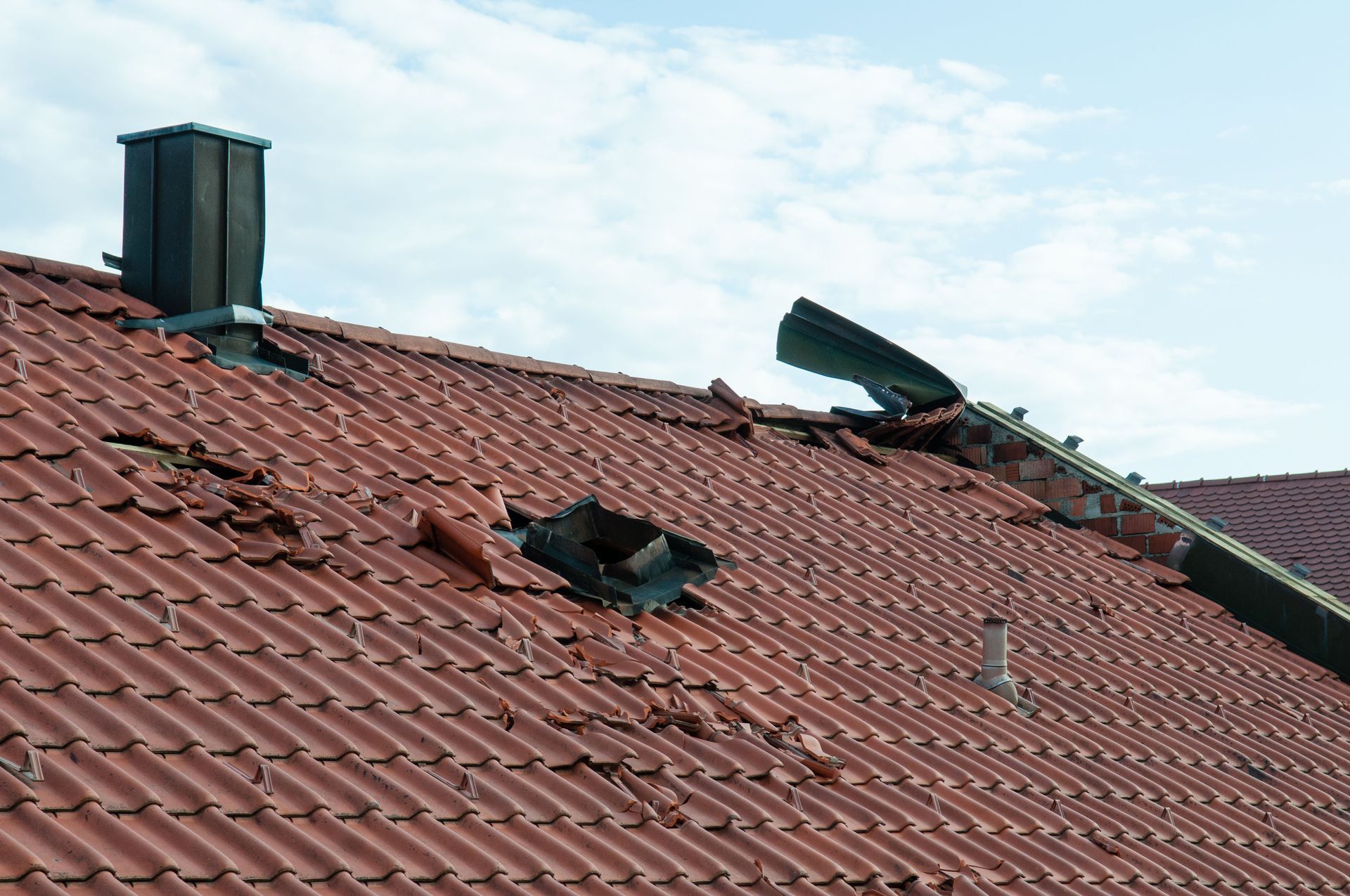
Examining exterior roofing components requires a highly meticulous physical assessment of surface materials, drainage pathways, and critical joint seals. Inspection teams systematically analyze individual shingles, tiles, or metal panels for signs of physical distress, including surface cracking, thermal blistering, granular erosion, or significant wind displacement. The condition of these materials is directly related to the roof's lifespan; according to This Old House, roofs nearing the end of their lifespan, which is typically 20 to 30 years, may need more frequent inspections. Ensuring the surface materials are intact is crucial for maintaining the roof's weather-resistant properties.
Beyond basic surface coverings, technical specialists examine high-risk structural junction zones, including perimeter edge flashings, valley drainage troughs, and water-tight seals surrounding all roof penetrations. Partnering with reputable local roofers ensures that subtle flaws in chimney crickets, skylight perimeter framing, or plumbing vent boots are correctly identified before water intrusion causes extensive decay within internal structural deck boards. Proper exterior evaluation also includes checking soffit vents, ridge line exhausts, and gutter downspout systems to confirm completely unrestricted water drainage and proper continuous attic air circulation. Thorough physical evaluation of these exterior defenses guarantees that potential leakage vectors are addressed before heavy rains occur.
Inspecting Interior Attic Structures and Components
Transitioning the physical assessment inside the residence focuses heavily on the enclosed attic space and structural timber framing directly beneath the plywood deck boards. Technical teams thoroughly check load-bearing support rafters, structural trusses, and ceiling joists for physical signs of structural sagging, timber warping, or unexpected mechanical stress. Selecting certified local roofers guarantees a rigorous, systematic check for latent moisture infiltration, hidden wood decay, or active fungal growth that might otherwise go completely unnoticed behind thick layers of existing thermal insulation.
Evaluating internal thermal barriers and attic ventilation pathways remains equally vital during the interior portion of the professional structural review. Specialized diagnostic equipment, including electronic moisture meters and sensitive thermal imaging cameras, enables technicians to map out subtle temperature anomalies and hidden structural dampness accurately. Ensuring uniform insulation distribution and clear airflow pathways through soffit baffles maintains critical thermal balance, effectively preventing winter ice dam formation while significantly reducing excessive summer attic heat accumulation. Careful examination of interior structural framing ensures that the roof can comfortably support heavy winter snow loads and high wind pressures.
Reviewing Technical Documentation and Formal Reports
Compiling physical diagnostic findings into a coherent, organized technical report provides property owners with a clear, factual snapshot of their overall building health. Comprehensive documentation features clear high-resolution photographic evidence detailing both well-maintained areas and specific localized structural defects found during the site walk. Standard professional practices followed by reliable local roofers involve cataloging every observed issue by relative severity level, offering completely unambiguous visual proof to support all written technical observations and recommended corrective actions.
The final written evaluation document functions as a vital, highly valuable operational roadmap for immediate active repairs and long-term property budgeting. It synthesizes complex structural observations into practical, actionable categories, clearly distinguishing between routine cosmetic upkeep and urgent, time-sensitive structural corrections. Having an authoritative, clear written record provides property owners with essential clarity when navigating insurance claims, planning major structural renovations, or establishing long-term preventive home maintenance reserves. Detailed documentation offers full transparency regarding the exact condition of every square foot of the roof system.
Implementing Recommended Preventive Maintenance Plans
Translating accurate diagnostic findings into an organized, proactive maintenance strategy ensures that necessary structural repairs occur in a timely, cost-effective manner. Prioritizing urgent physical fixes, such as replacing missing shingles, sealing active leaks, or repairing degraded metal flashings, protects delicate interior living spaces from sudden, severe weather events. Working alongside skilled local roofers enables homeowners to establish a practical, structured timeline for addressing immediate operational vulnerabilities while establishing a clear schedule for ongoing preventive care.
Long-term preventive strategies often include seasonal gutter clearing, tree canopy trimming, and periodic joint sealant renewal to maximize individual component service life. Establishing a consistent, structured maintenance routine prevents minor material degradation from developing into widespread, catastrophic building failures. Ultimately, adhering to a comprehensive, professionally designed repair and maintenance program preserves home market value, improves total residential energy efficiency, and delivers reliable, continuous peace of mind against challenging environmental conditions. Regular maintenance schedules eliminate surprise expenses by catching subtle component wear before it impacts surrounding structural elements.
Maintaining a safe, highly resilient home requires active, continuous attention to structural health and regular, professionally executed physical assessments. By scheduling systematic reviews, property owners effectively safeguard their valuable real estate investments, maximize household energy performance, and avoid the staggering financial costs associated with unaddressed internal water damage. Entrusting these critical structural reviews to dedicated
local roofers guarantees that every single shingle, protective seal, and structural support timber receives meticulous expert attention.
Taking proactive physical action today protects your overall residential investment against unpredictable climate hazards and long-term structural wear. Contact Rainier Roofing Company today to schedule a comprehensive physical assessment conducted by certified industry specialists who understand your building's specific architectural needs. Protecting your living spaces begins with a clear, precise structural diagnosis, so reach out right now to secure expert professional care and long-term structural durability for your property.