October 31, 2026
A roof plays an essential role in protecting a home from rain, wind, sunlight, and changing temperatures. Beyond shielding the interior from the elements, it contributes to energy efficiency, structural integrity, and curb appeal. Choosing the right materials and installation approach can help homeowners avoid preventable problems and maintain a dependable roofing system. Understanding the available materials, maintenance requirements, and installation practices makes it easier to plan a successful roofing project. With professional roofing, homeowners can explore solutions that suit their property's design, withstand local weather conditions, and provide lasting value without overlooking the importance of proper installation and ongoing care.
Evaluate Roofing Materials for Your Home
Selecting roofing materials requires balancing appearance, durability, maintenance, and budget. Asphalt shingles remain a popular choice because they are widely available, come in various styles, and work with many residential designs. Metal roofing offers a different combination of durability and contemporary appeal, while tile can provide distinctive character and dependable weather resistance when properly installed. Each option has advantages that may suit different properties and homeowner priorities.
Material selection should also account for the local climate and the structure of the home. Areas that experience heavy rainfall require effective water management, while properties exposed to strong winds may benefit from roofing products designed for enhanced wind resistance. Sun exposure, humidity, and seasonal temperature changes can also influence material performance. Evaluating these conditions helps homeowners choose a roofing system that addresses their property's specific needs.
Budget considerations extend beyond the initial purchase price. Some materials require more specialized installation, while others may involve additional maintenance or structural preparation. Homeowners should compare the expected ownership costs alongside the appearance and performance of each option. Professional roofing services can help explain these differences and identify materials that align with the property's requirements without sacrificing essential protection.
Understand the Durability of Asphalt Shingles
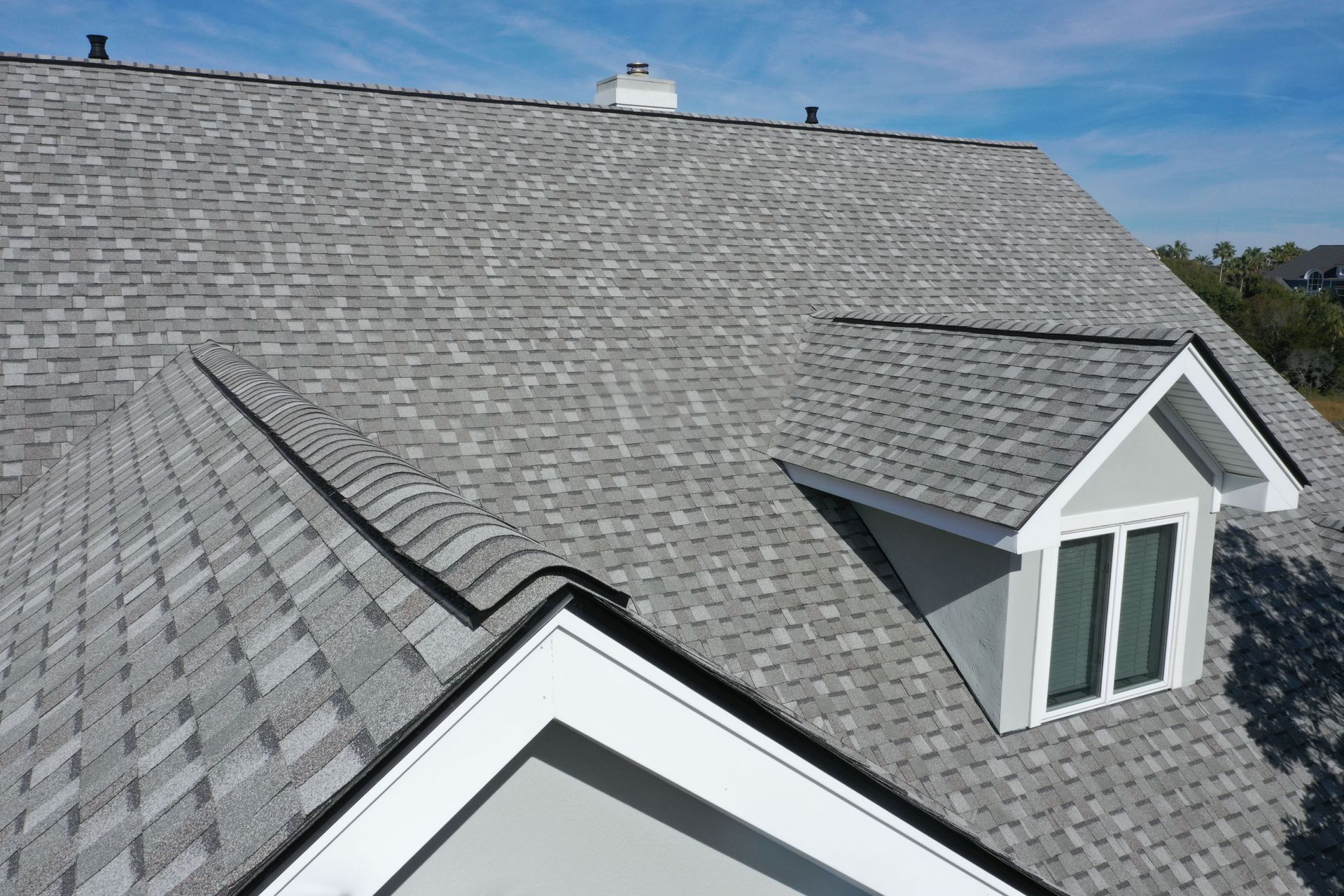
Asphalt shingles remain a familiar choice for residential roofing because they offer versatility and practical performance. Available in different colors, textures, and profiles, they can complement a wide range of architectural styles. Their widespread availability also makes them a convenient option for homeowners seeking replacement materials that balance appearance, accessibility, and cost.
According to The Spruce, the expected service life of composite asphalt shingles ranges from 15 to 40 years, with longevity influenced by the quality of the materials. This variation highlights the importance of considering product quality rather than choosing shingles based exclusively on their initial price. Proper installation, adequate ventilation, and routine maintenance can also influence how well a roofing system performs over time.
Homeowners should inspect asphalt shingles periodically for curling edges, missing pieces, damaged surfaces, and other visible signs of deterioration. These issues may allow moisture to reach the underlying roofing structure if left unaddressed. Prompt attention can help prevent localized damage from developing into a more extensive problem. Selecting suitable shingles and maintaining them appropriately supports the roof's ability to protect the home.
Compare Metal and Tile Roofing Systems
Metal roofing appeals to homeowners who want a durable material with a distinctive appearance. Depending on the product, metal roofs may feature standing seams, panels, or profiles designed to resemble traditional roofing materials. Their relatively low weight can also make them suitable for various residential applications, although the existing structure and manufacturer's requirements must always be considered before installation.
Metal roofing performance depends on material selection, protective coatings, fastening methods, and installation quality. Incorrectly installed panels or flashing can create opportunities for water intrusion, even when the roofing material itself is durable. Homeowners should work with qualified installers who understand the requirements of the selected system and can ensure that seams, edges, and roof penetrations receive appropriate attention.
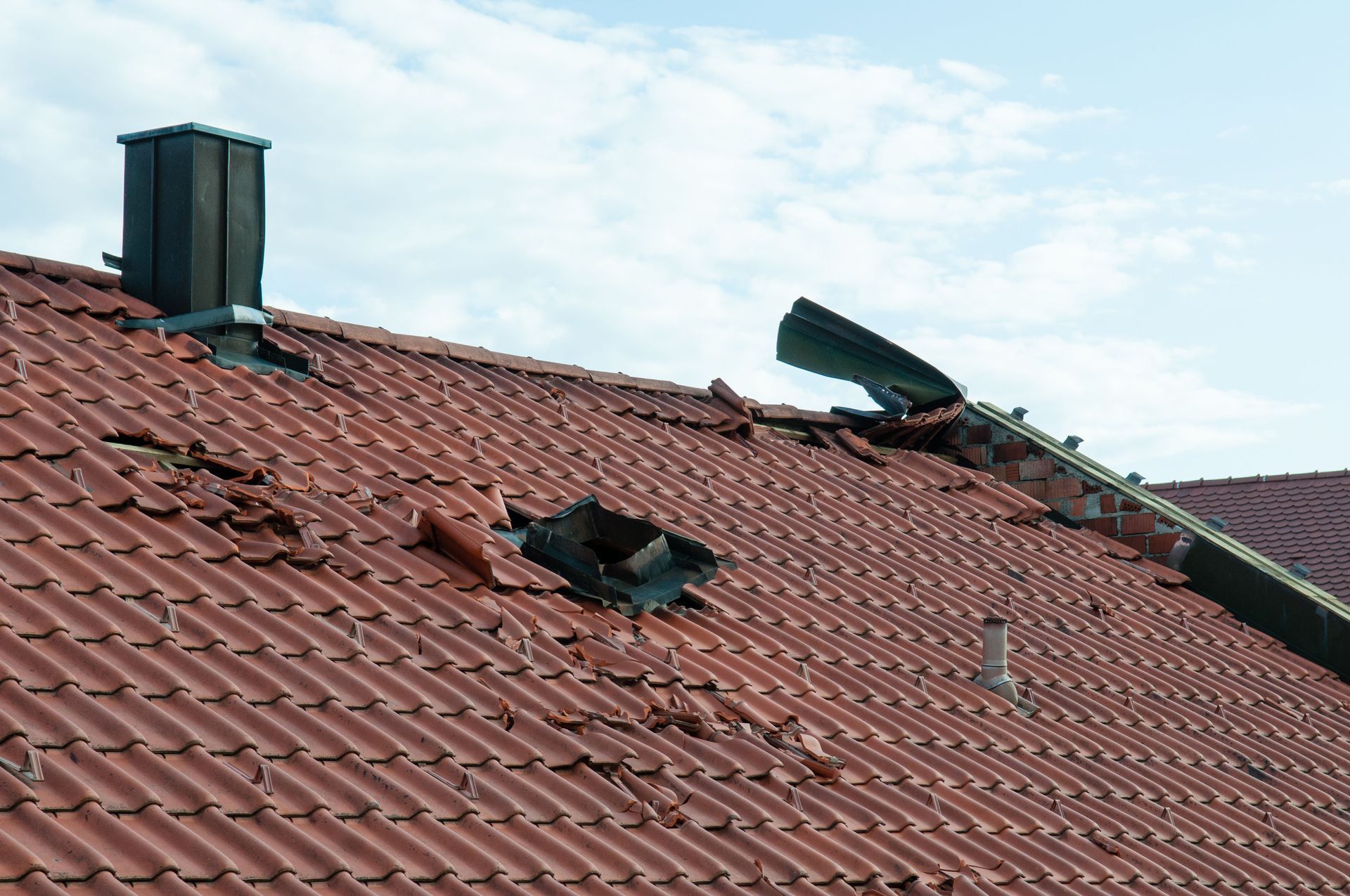
Tile roofing offers a different aesthetic, often complementing Mediterranean, Spanish, and other architectural styles. Clay and concrete tiles can provide dependable weather protection when installed on a properly designed structure. However, tile systems can be heavy, making structural suitability an important consideration. Homeowners should also understand that individual tiles may crack or become displaced, requiring inspection and occasional repairs to preserve the roof's protective function.
Prioritize Proper Installation and Roof Ventilation
Even high-quality roofing materials cannot provide reliable protection when installation is inadequate. A roofing system includes more than its visible exterior covering. Underlayment, flashing, fasteners, roof decking, and drainage components all contribute to its overall performance.
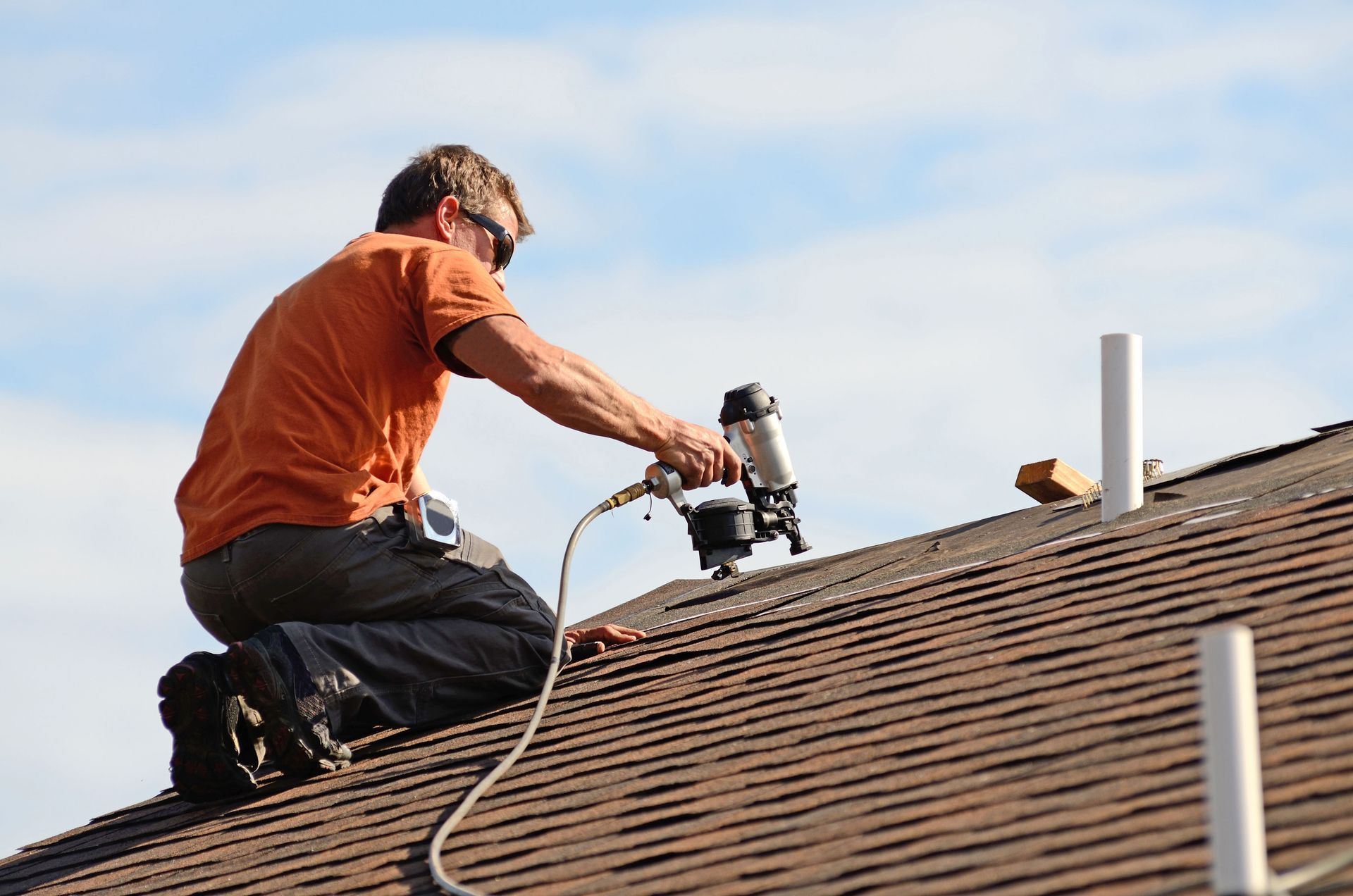
Professional roofing installation helps ensure that materials are fitted according to manufacturer specifications and applicable building requirements. Installers must pay particular attention to roof valleys, edges, chimneys, vents, and other locations where different surfaces meet. These transitions can become vulnerable to leaks when flashing is damaged or improperly installed.
Ventilation is another important part of roof performance. Appropriate airflow helps manage heat and moisture within the attic, reducing conditions that may contribute to condensation and premature material deterioration. Insulation, ventilation, and air sealing should work together rather than being treated as separate concerns.
Maintain Your Roof to Prevent Costly Damage
Routine maintenance helps homeowners identify potential roofing problems before they threaten the property's interior. Wind, falling branches, debris, and ordinary weather exposure can gradually affect shingles, flashing, gutters, and other components. Regular visual assessments can reveal warning signs that deserve professional attention, particularly after severe weather or when changes in the home's interior suggest a possible leak.
Homeowners should pay attention to water stains on ceilings, damp attic insulation, peeling paint near rooflines, and unexplained moisture around windows or exterior walls. Although these symptoms do not always originate from the roof, they may indicate a problem with drainage, flashing, or the roofing assembly. Investigating concerns promptly can help determine the source and prevent further deterioration.
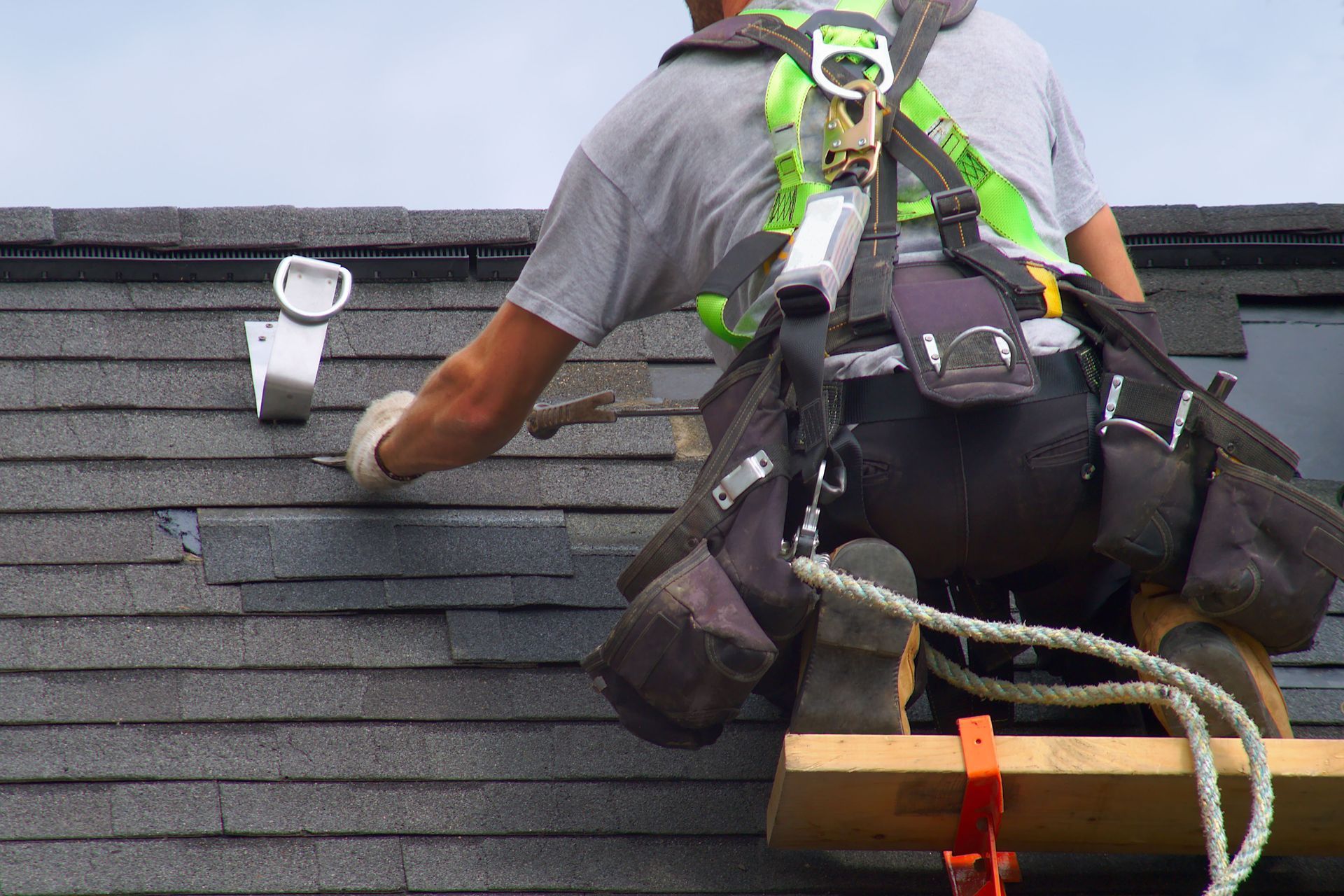
Keeping gutters and downspouts clear also supports effective roof drainage. When water cannot flow away freely, it may collect near roof edges or spill onto exterior surfaces, potentially contributing to moisture damage. Tree branches should be managed when they threaten to scrape roofing materials or drop substantial debris onto the structure. Because roof surfaces can be hazardous, homeowners should leave steep-roof inspections and potentially dangerous repairs to qualified professionals.
Choose Professional Roofing Services With Confidence
Finding a suitable roofing contractor involves evaluating experience, communication, workmanship, and the scope of the proposed project. Homeowners should seek clear explanations of recommended materials, installation procedures, and any underlying damage discovered during an assessment.
Professional roofing contractors should also explain applicable warranties and the maintenance expectations associated with the selected materials. Manufacturer warranties may cover certain product defects, while workmanship warranties address installation-related concerns according to their terms. Understanding these distinctions helps homeowners know what protections may apply after the project is complete. Asking questions before signing an agreement can prevent misunderstandings and support better planning.
Communication remains important throughout the project. Homeowners should understand how the contractor will protect landscaping, manage debris, address unexpected conditions, and maintain a safe work area. They should also know whom to contact if concerns arise after completion.
A dependable roof begins with informed material selection, careful installation, and consistent maintenance. Asphalt shingles, metal panels, and tile systems each offer distinct advantages, but their effectiveness depends on choosing products that suit the property and ensuring every component is installed correctly. Taking a proactive approach can help homeowners protect their investment, maintain curb appeal, and address developing problems before they become more disruptive. Contact Rainier Roofing Company today to discuss your roofing needs, explore suitable materials, and take the next step toward lasting protection for your home.