October 30, 2026
The body content of your post goes here. To edit this text, click on it and delete this default text and start typing your own or paste your own from a different source.
Severe storms can weaken roofing materials, loosen shingles, and expose homes to water damage. High winds, hail, heavy rain, and flying debris can affect different parts of a roofing system, sometimes causing problems that are not immediately visible. Understanding these risks helps homeowners recognize warning signs, plan maintenance, and determine when repairs are necessary. Professional roofers can assess storm damage and recommend solutions that protect the home against future weather events.
Understanding How Storms Damage Roofs
Recognizing the Effects of High Winds
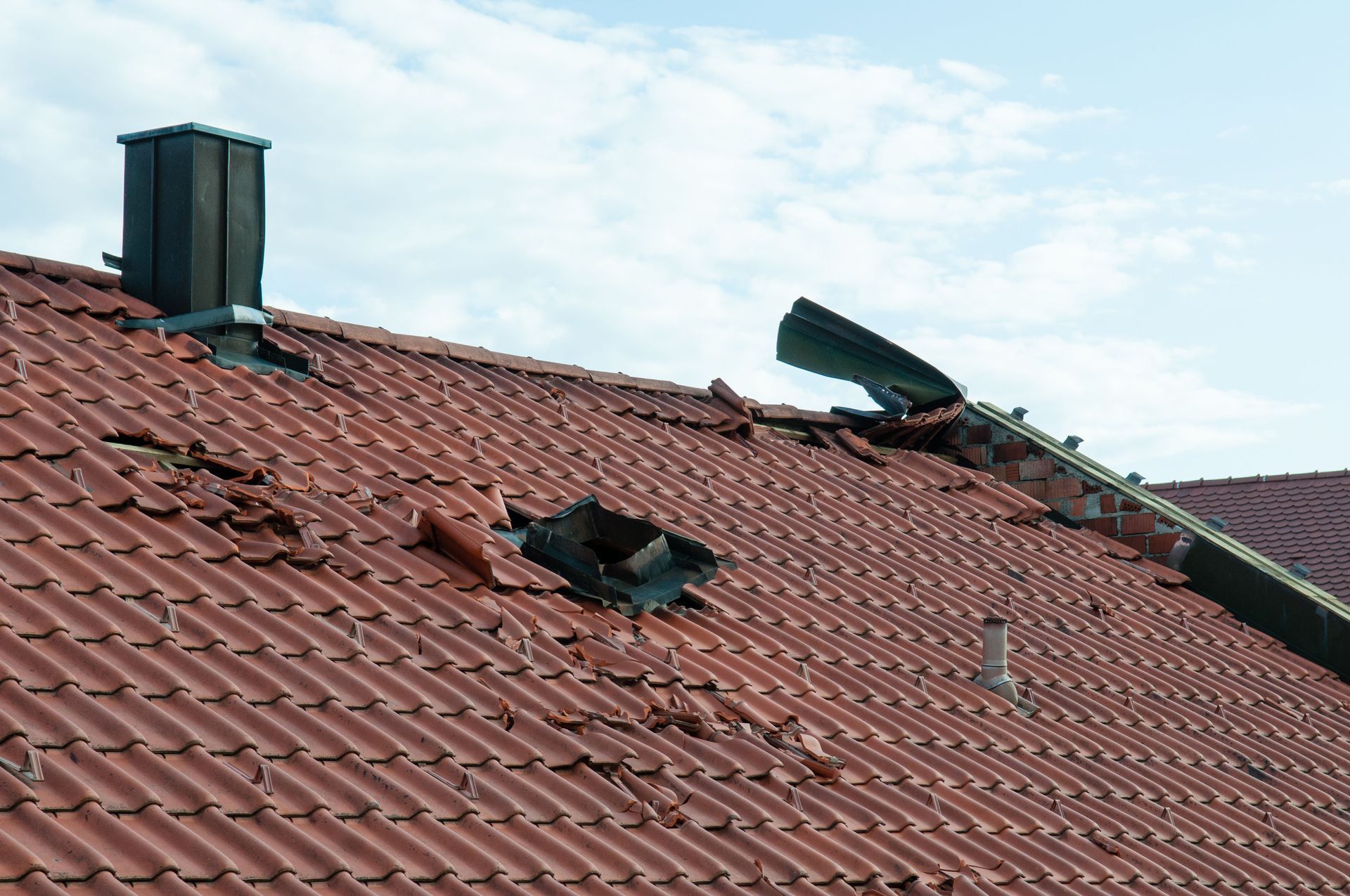
Strong winds create pressure differences across roof surfaces, potentially lifting shingles and loosening roofing materials. Wind can also exploit weak points around roof edges, overhangs, and dormers. Once shingles become displaced, rain can reach the underlayment and decking, increasing the risk of leaks. Professional roofers can identify vulnerable areas and determine whether damaged materials require repair or replacement.
Roof design, installation quality, and material condition all influence wind resistance. Steeper slopes may help redirect wind, while large overhangs can experience additional pressure. According to This Old House, 40% of homeowners who replaced their roof in the past five years did so because of weather-related damage. This highlights the importance of addressing roofing vulnerabilities before minor problems become extensive damage.
Identifying Uplift and Debris Damage
Uplift occurs when wind creates lower pressure above the roof, potentially pulling shingles or roofing panels away from their fasteners. Secure installation, appropriate fasteners, and properly sealed edges help reduce this risk. Professional roofers can inspect these connections and recommend reinforcements suited to the home's roofing system and local weather conditions.
Flying branches, loose outdoor furniture, and other debris can puncture shingles, damage vents, or crack skylights. Homeowners can reduce these risks by trimming overhanging branches and securing outdoor items before storms arrive. After severe weather, an inspection can reveal impact damage that might otherwise allow moisture to enter the home.
Evaluating Heavy Rain and Hail Damage
Heavy rain can overwhelm clogged gutters and drainage systems, allowing water to collect around vulnerable roofing areas. Hail may crack shingles, remove protective granules, or dent metal panels. These problems can shorten a roof's lifespan and increase the likelihood of leaks. Professional roofers can assess the extent of storm damage and determine which repairs will restore reliable protection.
Roofing materials respond differently to hail and moisture. Some tiles may crack under impact, while metal panels can dent. Keeping gutters clear, maintaining drainage pathways, and selecting materials appropriate for local weather conditions can help limit damage. Regular maintenance also makes it easier to identify developing problems before another storm occurs.
Identifying the Warning Signs of Roof Damage
Checking for Missing or Damaged Shingles
Missing, curled, cracked, or lifted shingles are common signs of storm damage. These defects expose underlying roofing components to moisture and can worsen when additional wind or rain arrives. Shingles may also lose protective granules, leaving their surfaces more vulnerable to weather and sunlight.
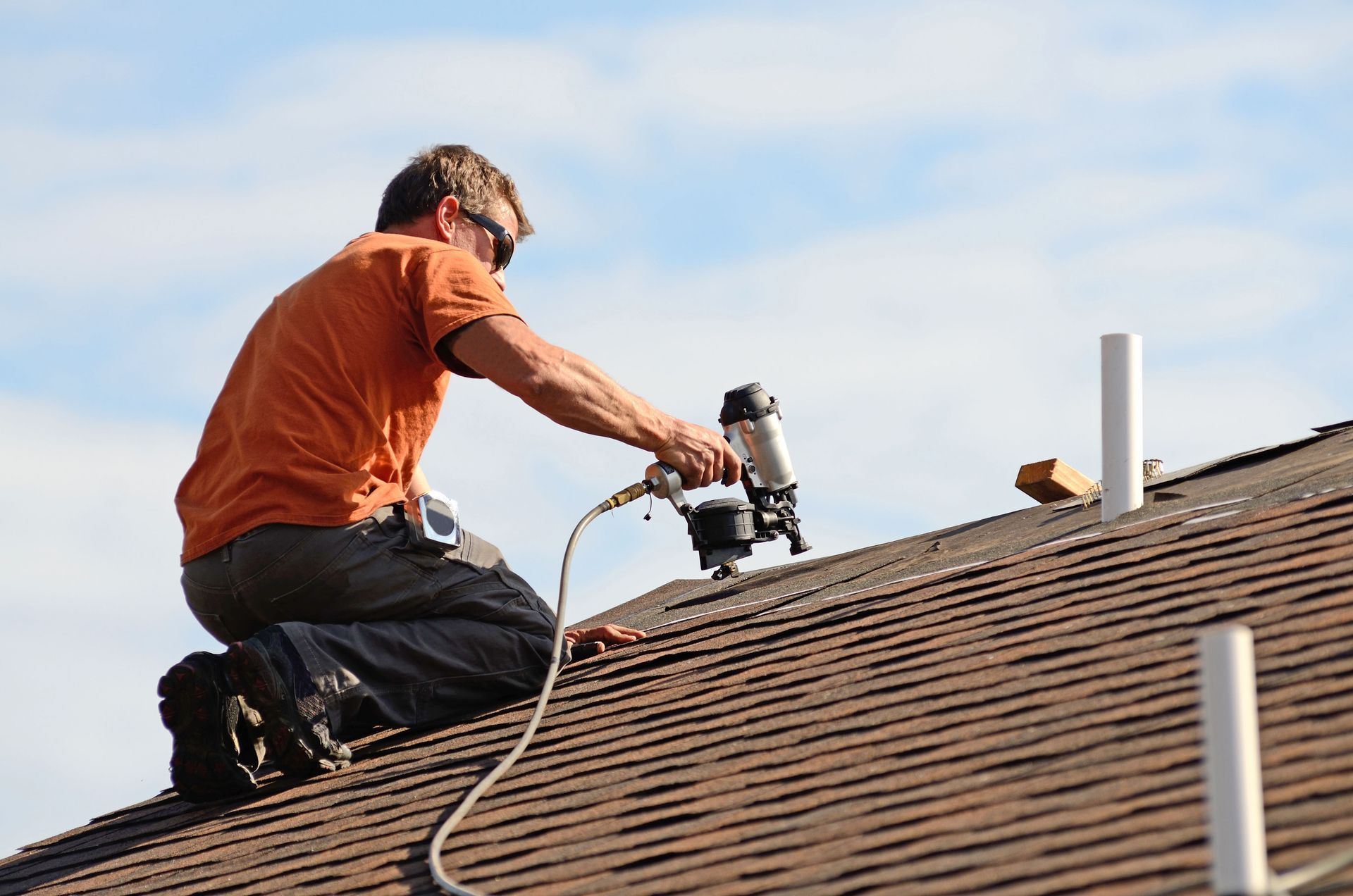
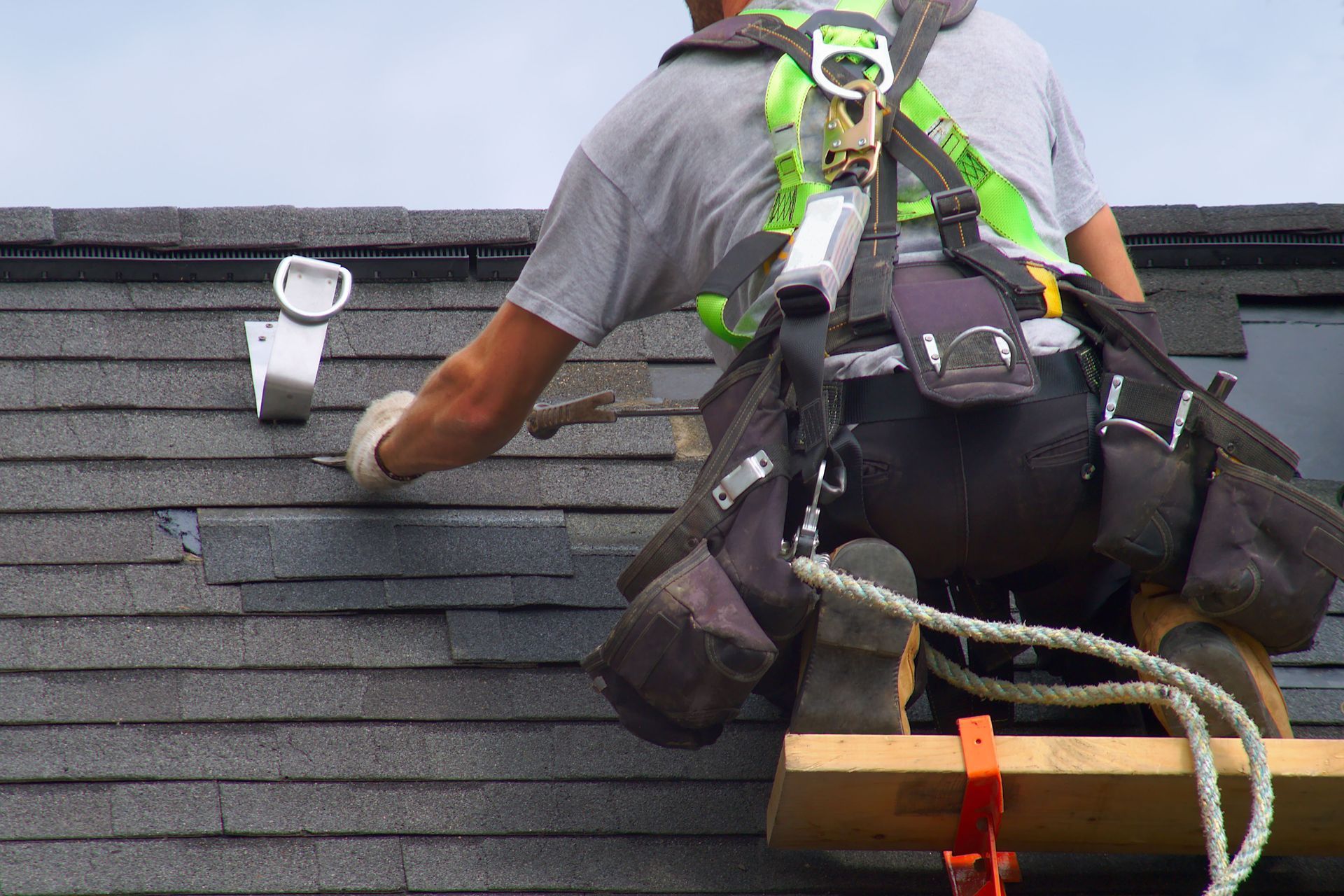
Homeowners can look for shingle fragments around the property and unusual amounts of granules in gutters. However, climbing onto a roof to investigate damage can be dangerous. Professional roofers have the equipment and experience needed to examine affected areas safely and determine whether targeted repairs or broader replacement is appropriate.
Recognizing Leaks and Water Stains
Water stains on ceilings, damp attic insulation, peeling paint, and musty odors may indicate that a roof has developed a leak. Even a small opening can allow moisture to spread through insulation and wood, potentially contributing to mold growth and deterioration. Leaks may become noticeable during rainfall, although some moisture problems remain hidden until damage has progressed.
Homeowners should investigate new stains or damp areas promptly rather than assuming the problem will disappear when the weather improves. Professional roofers can trace moisture to damaged shingles, flashing, roof penetrations, or other vulnerable locations. Addressing the source is essential because repairing interior surfaces alone will not stop continued water intrusion.
Monitoring Structural and Drainage Problems
A sagging roofline, warped sections, or visible changes in the roof's shape may indicate structural problems. Excess moisture, deteriorated decking, and compromised supports can contribute to these conditions. Any noticeable deformation warrants prompt professional evaluation, especially after a storm. Homeowners should avoid walking beneath visibly unstable sections until the problem has been assessed.
Gutters and downspouts also provide clues about roof performance. Overflowing gutters, loose connections, and standing water can signal drainage problems that increase the risk of leaks and damage around the foundation. Clearing debris and maintaining functional drainage helps move water away from the home. If gutters have separated from the roofline or sustained storm damage, repairs may be needed to restore proper water management.
Comparing Roofing Materials for Storm Resistance
Assessing Asphalt Shingles
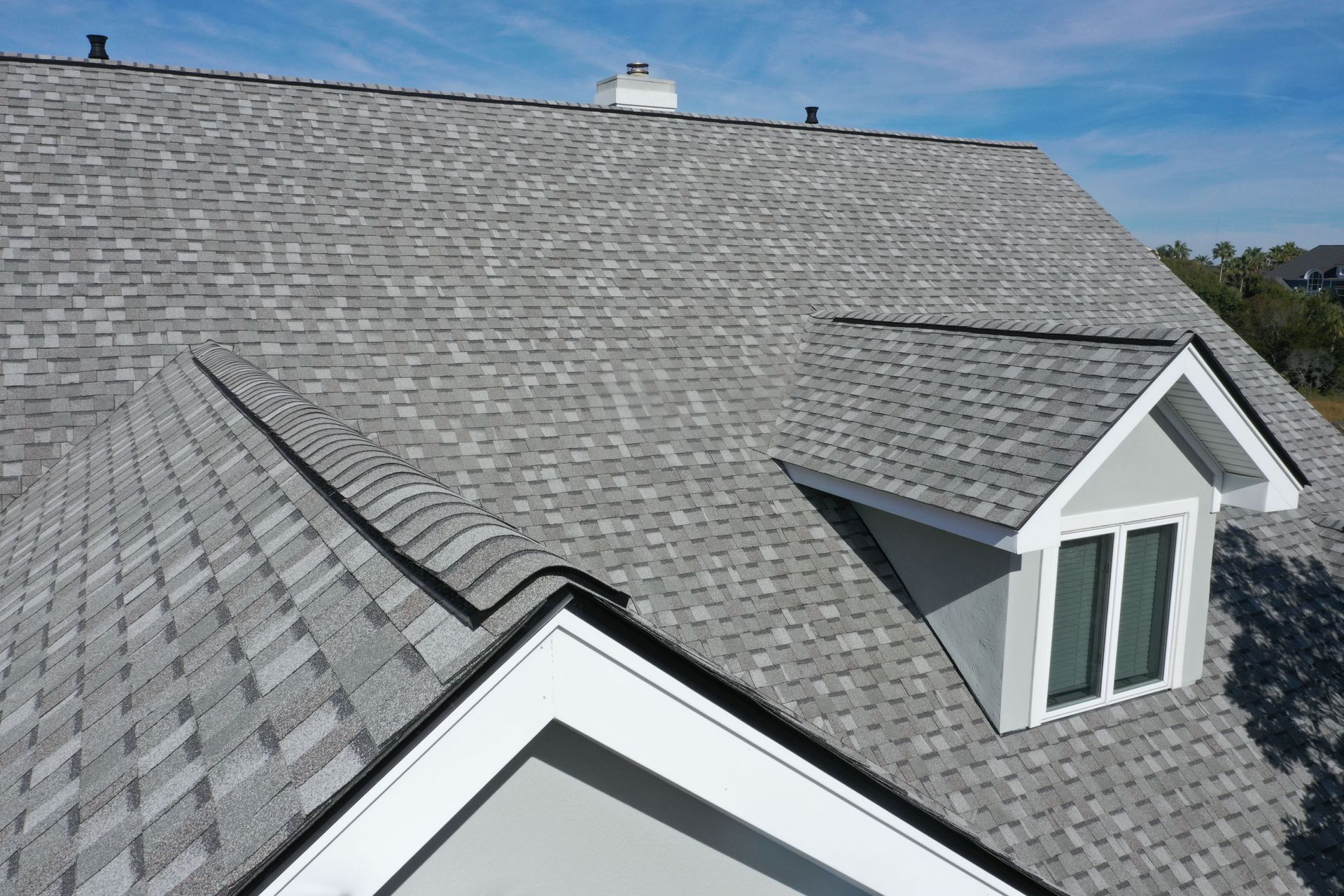
Asphalt shingles remain popular because they offer a range of styles and price points. However, severe winds can lift poorly secured shingles, while hail and aging may contribute to cracking and granule loss. Wind-rated products and impact-resistant options may provide additional protection, depending on their specifications and installation.
Proper attic ventilation and routine maintenance can also support shingle performance. Homeowners should consider the roof's age, local climate, and likely repair costs when evaluating whether to maintain an existing asphalt roof or replace it. Professional roofers can explain the advantages of available shingle grades and identify products suited to the property's exposure.
Evaluating Metal, Tile, and Synthetic Roofing
Metal roofing can offer strong wind resistance when panels and fasteners are installed correctly. However, hail or flying debris may dent certain metal surfaces. Tile and slate can provide long service lives, but individual pieces may crack during severe impacts, and their weight requires suitable structural support.
Synthetic roofing products may combine lighter weight with impact resistance and designs that resemble traditional materials. Wood shakes, meanwhile, can require additional attention in damp climates because moisture may contribute to deterioration. No roofing material is completely immune to severe weather, so homeowners should compare product ratings, installation requirements, maintenance needs, and local building codes before choosing a replacement.
Preparing Your Roof for Future Storms
Scheduling Inspections and Preventive Maintenance
Routine inspections can uncover loose shingles, deteriorated flashing, damaged sealants, and other weaknesses before severe weather makes them worse. Homeowners should pay particular attention to roof valleys, edges, vents, chimneys, and skylights because these areas may be vulnerable to water intrusion. Seasonal maintenance can also include removing debris and checking gutters and downspouts.
After a major storm, an inspection can help determine whether wind, hail, or debris has compromised the roof. Professional roofers can document visible damage, explain recommended repairs, and identify issues that may not be apparent from the ground. Prompt attention helps prevent relatively small defects from developing into more expensive problems.
Strengthening Vulnerable Roofing Components
Preventive improvements may include replacing worn shingles, securing loose flashing, improving drainage, or upgrading materials during a planned replacement. The most appropriate measures depend on the roof's design, age, condition, and exposure to local weather. Homeowners should also keep nearby trees maintained and secure outdoor items that could become airborne.
Following a storm, take photographs of visible damage from a safe location and keep records of any repairs. If an insurance claim may be necessary, documentation can help support discussions with the insurer. Avoid attempting temporary repairs on steep or damaged roofs, as falls and unstable surfaces create serious hazards.
Protecting Your Home With Professional Roofing Care
Choosing the Right Repair or Replacement Plan
Not every storm-damaged roof requires complete replacement. Localized shingle damage may be repairable, while widespread deterioration, recurring leaks, or compromised decking may justify a larger project. A thorough assessment helps homeowners understand the condition of the roof and compare practical options based on safety, durability, and long-term costs.
Severe weather can damage even a well-maintained roof, but early detection and appropriate repairs can reduce the consequences. From missing shingles and hidden leaks to structural concerns, recognizing warning signs helps homeowners make informed decisions. For a professional assessment and a practical plan to restore your roof's protection, contact Rainier Roofing Company to discuss your roofing needs and prepare your home for future storms.