October 28, 2026
Replacing an aging roof is an important investment in a home's protection, appearance, and long-term condition. When shingles begin curling, cracking, or losing granules, homeowners may wonder whether the existing materials need to be removed before new shingles are installed. Two common approaches are a complete tear-off, which removes the old roofing materials, and an overlay, which installs new shingles over an existing layer. Although an overlay may appear simpler and less expensive, it is not appropriate for every roof. The condition of the existing shingles, underlying decking, local building requirements, and long-term maintenance considerations can influence the decision. Experienced roofing contractors can evaluate these factors and help homeowners understand the advantages and limitations of each approach. Knowing how tear-offs and overlays differ makes it easier to choose a replacement method that supports reliable roof performance.
Understanding the Differences Between Tear-Offs and Overlays
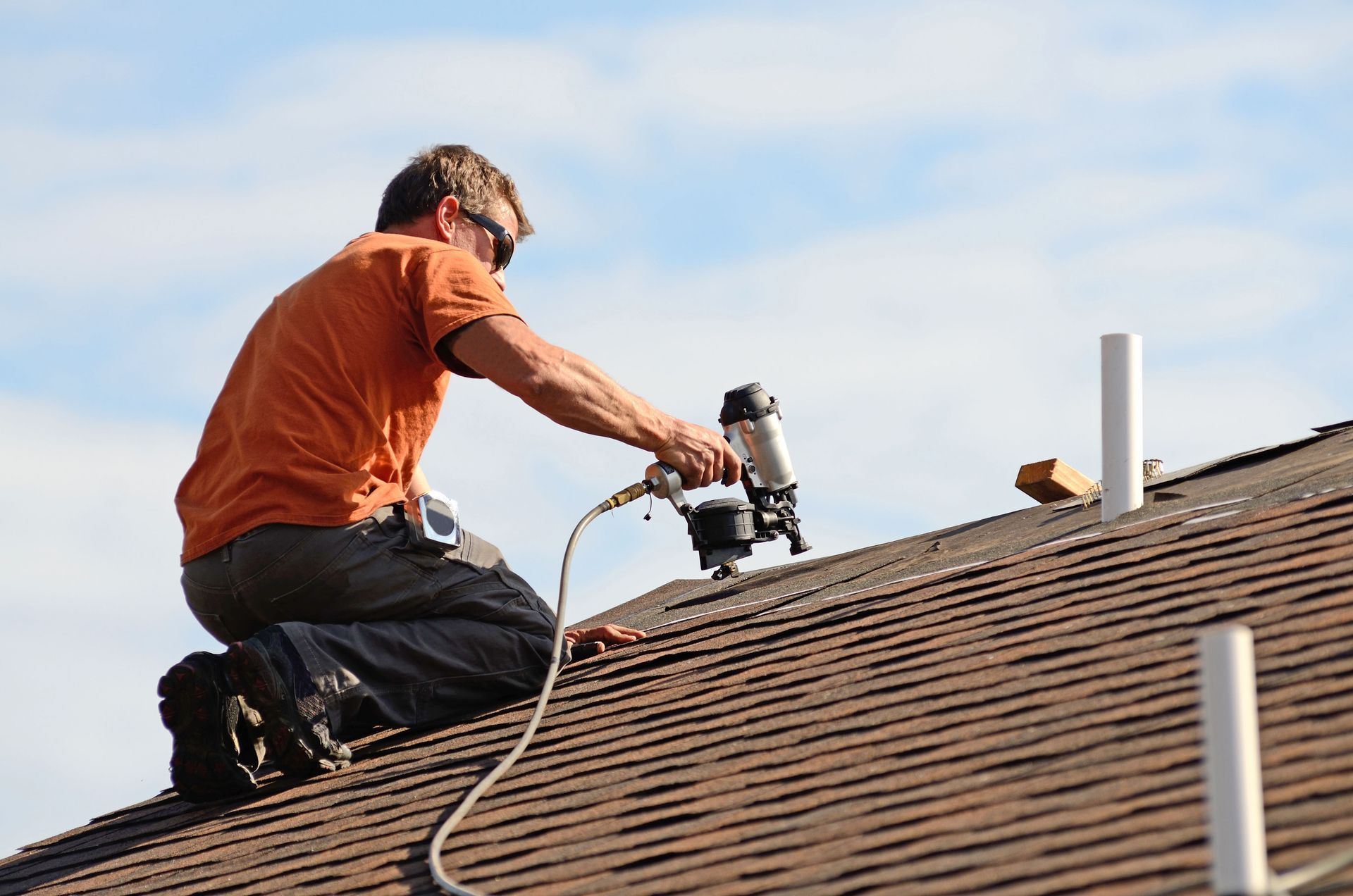
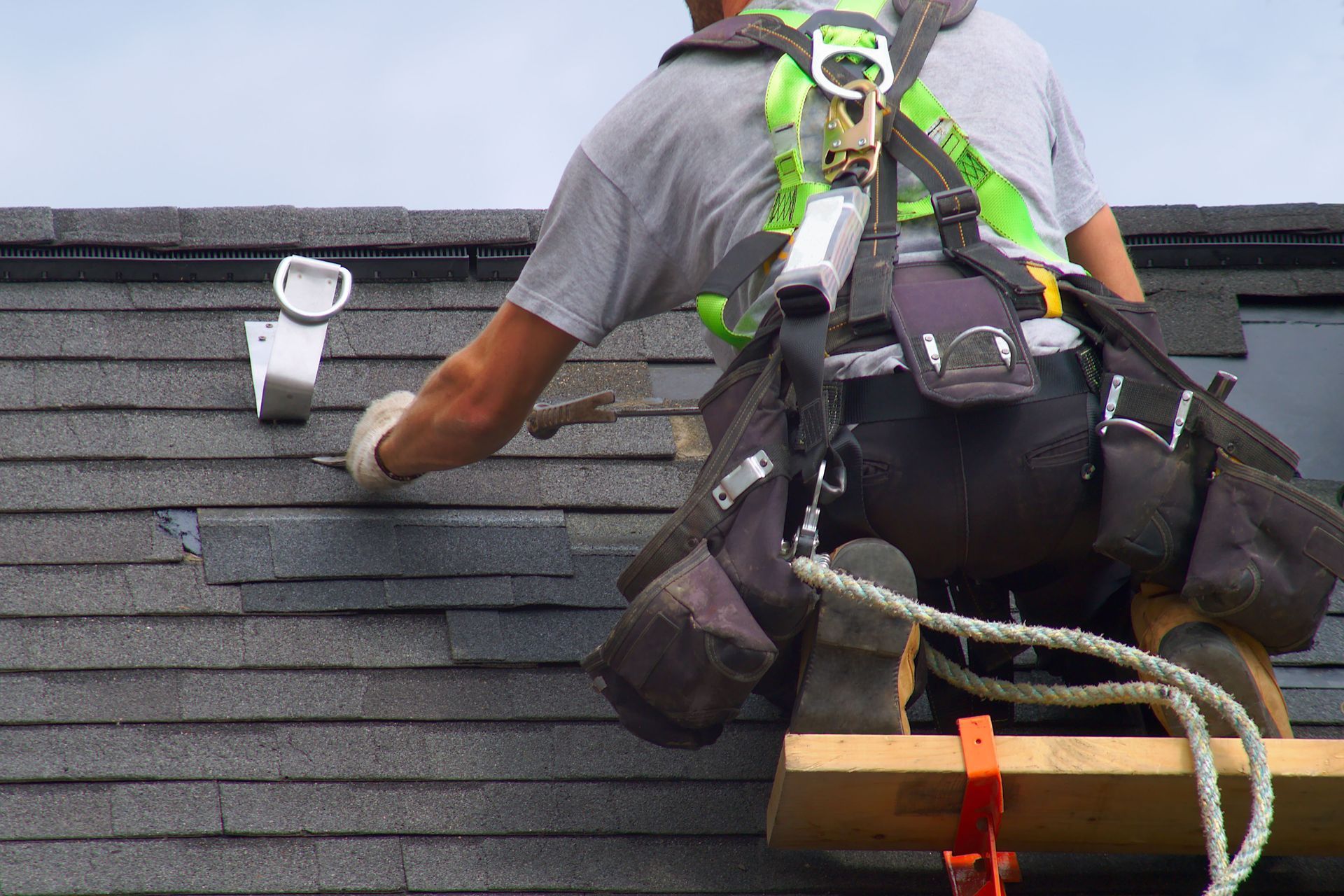
A tear-off involves removing existing shingles and associated materials before installing a new roofing system. This process exposes the underlying roof decking, allowing workers to inspect its condition and identify areas requiring repairs. Once necessary corrections are completed, new underlayment, flashing, and shingles can be installed according to the selected roofing system's requirements. Although removal creates additional labor and debris, it provides an opportunity to evaluate components that would otherwise remain concealed beneath the existing roof.
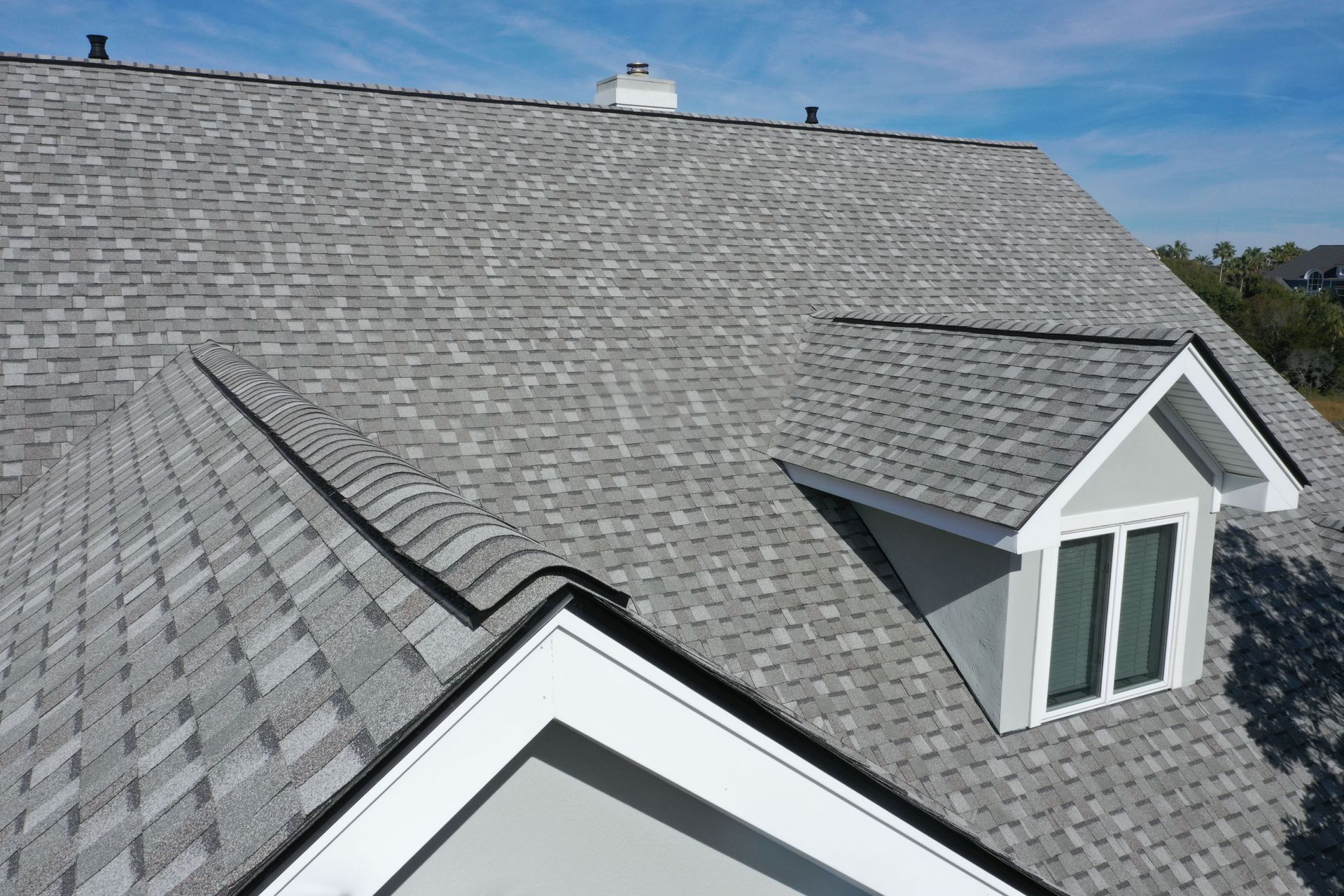
An overlay takes a different approach by installing new shingles over an existing layer without removing the original covering. This method may reduce removal labor and disposal expenses, making it appealing to homeowners seeking a less disruptive project. However, the existing roof must meet specific conditions before an overlay can be considered. Roofing contractors typically examine the number of existing layers, shingle condition, and applicable installation requirements before recommending either option.
Evaluating the Condition of Existing Shingles
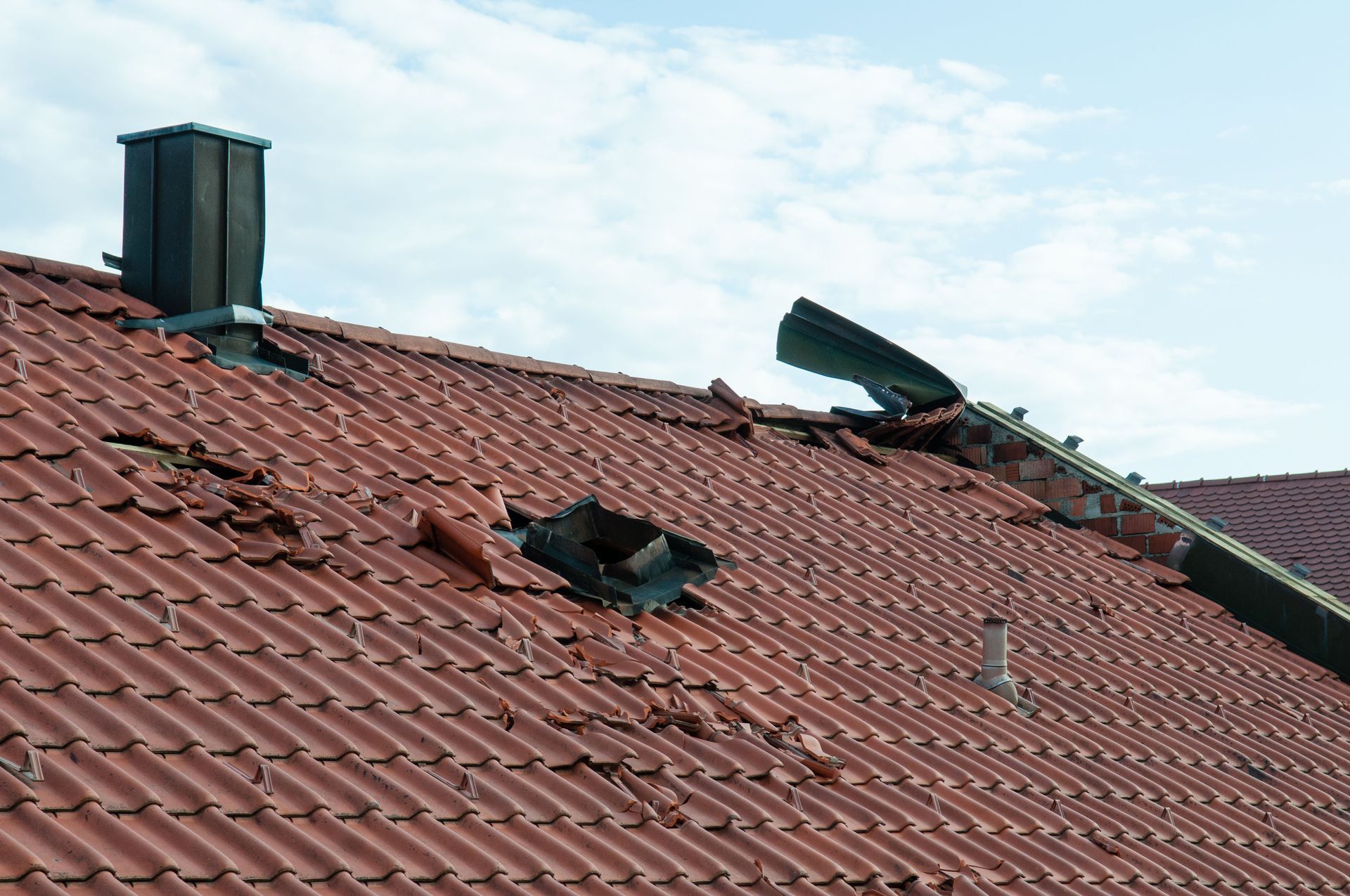
The condition of the current shingles plays a significant role in determining whether an overlay is appropriate. Shingles that are relatively flat, securely attached, and free from widespread deterioration may provide a more suitable surface than severely damaged materials. Extensive curling, buckling, missing shingles, or uneven sections can interfere with the installation of a new layer. These irregularities may remain visible through the replacement shingles and contribute to an inconsistent finished appearance.
Homeowners should also consider whether the existing roof has experienced recurring leaks or storm damage. Water intrusion can affect materials beneath the shingles, even when the exterior damage appears limited. Installing new shingles over unresolved problems may conceal deterioration rather than correct it. A careful inspection helps determine whether the existing covering can support another layer or whether removing it would provide a more dependable foundation for replacement.
Comparing Installation Costs and Long-Term Expenses
Cost is often one of the first considerations when homeowners compare tear-offs and overlays. An overlay may involve lower initial labor and disposal expenses because workers do not remove the existing shingles. A tear-off generally requires additional time, equipment, and debris management. However, the total cost depends on roof size, accessibility, material selection, existing damage, and other project conditions. Comparing written estimates can help homeowners understand what each installation method includes.
Initial savings should also be weighed against potential future expenses. If an overlay conceals deteriorating materials or requires removal sooner than expected, later repairs may become more complicated. A tear-off can reveal problems that need attention before new shingles are installed, potentially reducing the risk of unresolved damage. Homeowners should discuss expected performance, maintenance requirements, and replacement considerations with roofing contractors rather than making their decision based solely on the lowest upfront estimate.
Reviewing Building Codes and Manufacturer Requirements
Local building regulations can affect whether installing shingles over an existing roof is permitted. Some jurisdictions restrict the number of roofing layers or require removal under certain conditions. Structural concerns, material compatibility, and existing roof damage may also influence what is allowed. Homeowners should not assume that an overlay is acceptable simply because another property has received one. Requirements can vary by location and the circumstances of the project.
Manufacturer installation instructions are equally important because roofing products must be installed under suitable conditions to perform as intended. Certain shingle systems may require specific underlayment, fastening methods, or preparation procedures. Installing materials over an unsuitable surface could affect performance and warranty coverage. Qualified roofing contractors can review applicable requirements, explain available options, and help homeowners select an installation approach that follows relevant standards.
Considering Roof Weight and Structural Capacity
Adding another layer of shingles increases the weight carried by the roof structure. Although asphalt shingles are commonly used on residential properties, their combined weight can become significant across a large roof. The existing framing, decking, and overall structural condition must be considered before additional materials are installed. Homes with previous roofing layers or signs of structural deterioration may require closer evaluation to determine whether an overlay is appropriate.
A tear-off removes the weight of existing shingles before replacement materials are installed. This approach avoids the additional load associated with retaining an older layer. Structural capacity should never be judged solely by how the roof looks from the ground. Roofing professionals can identify conditions that warrant further evaluation and recommend appropriate next steps. Considering weight and structural support helps homeowners make decisions that prioritize the roof's long-term integrity.
Assessing Ventilation and Moisture Concerns
Proper ventilation helps regulate attic temperature and moisture levels, supporting the performance of the roofing system. Inadequate airflow can contribute to condensation, excessive heat buildup, and deterioration of certain roof components. Before replacing shingles, homeowners should consider whether existing ventilation arrangements are functioning properly. A new roof covering alone will not resolve problems caused by blocked vents, insufficient airflow, or moisture entering from other sources.
A tear-off may create opportunities to update certain ventilation components and address details around roof penetrations. An overlay can limit access to existing materials, making some improvements more difficult. According to RubyHome, approximately 5 million new roofing systems are installed annually across the United States. With roof replacement representing a substantial home improvement undertaking, roofing contractors can help homeowners evaluate ventilation and moisture concerns before choosing an installation method.
Planning for Future Maintenance and Roof Performance
The installation method selected today can influence future roof maintenance. With an overlay, older shingles remain beneath the new covering, potentially making the source of future leaks more difficult to identify. Multiple layers can also complicate later removal when another replacement becomes necessary. A complete tear-off provides a fresh starting point for evaluating roof components and installing compatible materials. These differences deserve consideration when planning for long-term ownership.
Homeowners should also evaluate their plans for the property, expected maintenance needs, and the condition of other roofing components. Flashing, drainage systems, roof penetrations, and vulnerable transitions all contribute to overall performance. An overlay may be feasible under limited circumstances, but it should not be treated as a universal replacement solution. Discussing these considerations with roofing contractors helps homeowners choose an approach that balances immediate needs with future maintenance responsibilities.
Choosing between a tear-off and an overlay requires more than comparing installation prices. The condition of existing shingles, roof decking, structural capacity, ventilation, and applicable building requirements all influence which method is appropriate. An overlay may offer initial savings when the existing roof meets necessary conditions, but it can also leave underlying materials concealed and complicate future repairs. A complete tear-off provides greater access for inspections, repairs, and the installation of a new roofing system. Understanding these differences allows homeowners to evaluate both short-term expenses and long-term performance before committing to a replacement project. Experienced roofing contractors can assess the roof's condition, explain available options, and recommend an installation method suited to the property. If you are considering replacing your roof and want professional guidance on choosing between a tear-off and an overlay, contact Rainier Roofing Company today.