July 24, 2026
For homeowners planning a roof replacement in 2026, choosing the right material involves balancing cost, appearance, durability, and long-term value. While newer roofing technologies continue to attract attention, asphalt remains one of the most popular options for residential properties. Its combination of affordability, versatility, reliable performance, and widespread availability has helped it maintain a strong position in the roofing industry.
Asphalt shingles are available in a wide range of colors, textures, and styles, allowing homeowners to coordinate their roofs with nearly any architectural design. Manufacturing improvements have also helped create products with better resistance to wind, weather, and everyday wear. For these reasons, local roofers continue to recommend asphalt shingles for many residential roofing projects.
What Are the Benefits of Asphalt for Roofing?
One of the biggest advantages of asphalt roofing is its relatively affordable cost. Compared with many other roofing materials, asphalt shingles generally require a lower initial investment. This makes them appealing to homeowners who need dependable protection without paying the significantly higher price associated with materials such as slate, tile, or certain types of metal roofing.
The lower price does not mean homeowners have to sacrifice appearance. Modern asphalt shingles are available in several styles, including architectural and luxury products that offer a more dimensional appearance. Some are even designed to replicate the look of more expensive materials while remaining more accessible to homeowners with different budgets.
Durability is another reason asphalt remains popular. The lifespan of an asphalt roof depends on the product, installation quality, climate, maintenance, and other factors. However, a properly installed roof can provide many years of service. According to Bob Vila, asphalt roofs generally last between 15 and 30 years, giving homeowners a substantial period of protection before another major replacement may be necessary.
Asphalt is also highly versatile. It can be installed on many different types of residential roofs and works well with a wide variety of architectural styles. Whether a home has a traditional gable roof, a contemporary design, or multiple sections with different slopes, asphalt shingles can often accommodate the property's needs.
How Do Local Roofers Ensure Quality Asphalt Roof Installation?
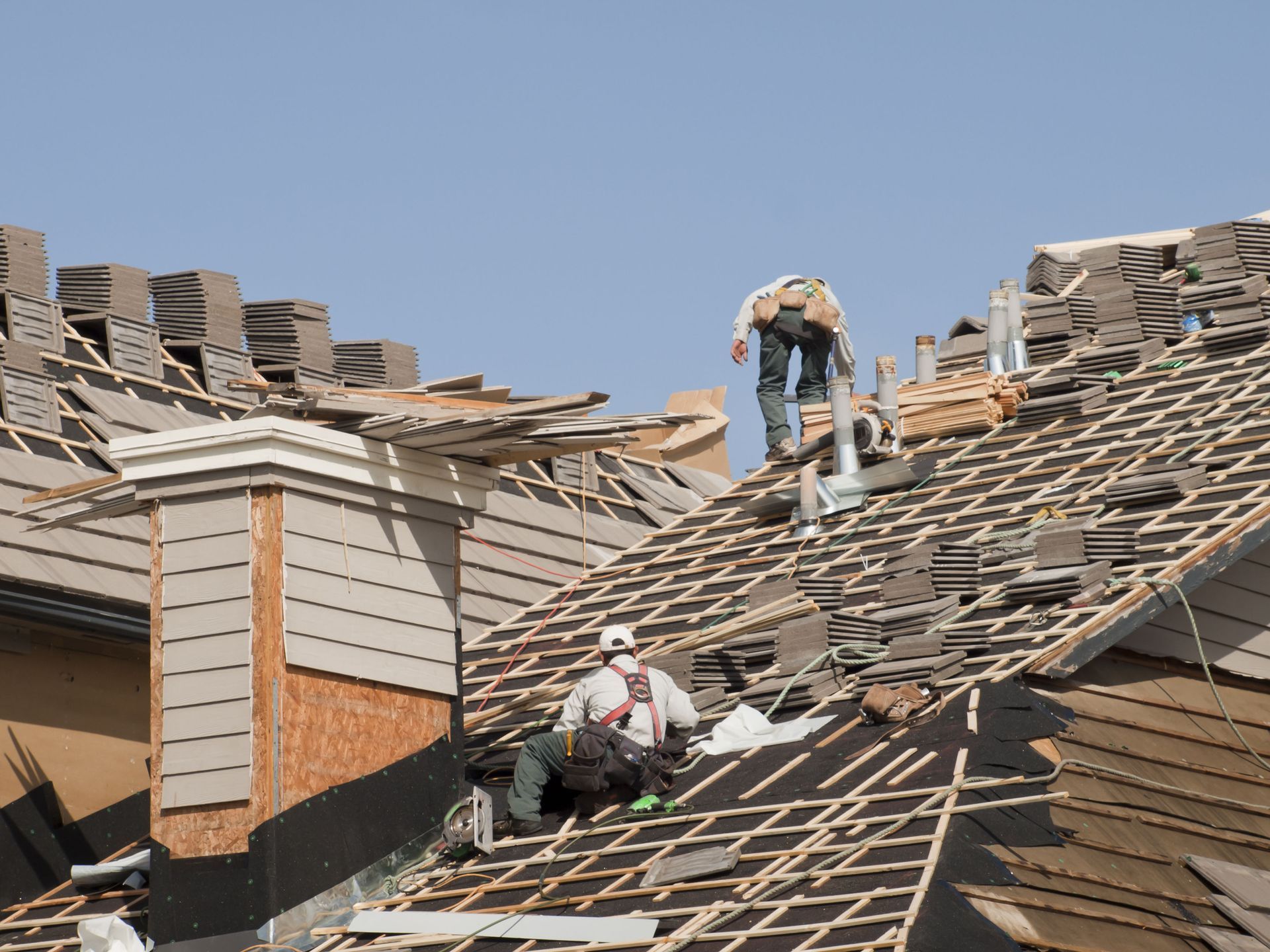
Even the highest-quality asphalt shingles can perform poorly when they are installed incorrectly. Proper installation plays a major role in determining how well a roof resists water, wind, snow, ice, and other environmental stresses. This makes the contractor selected for the project an important consideration.
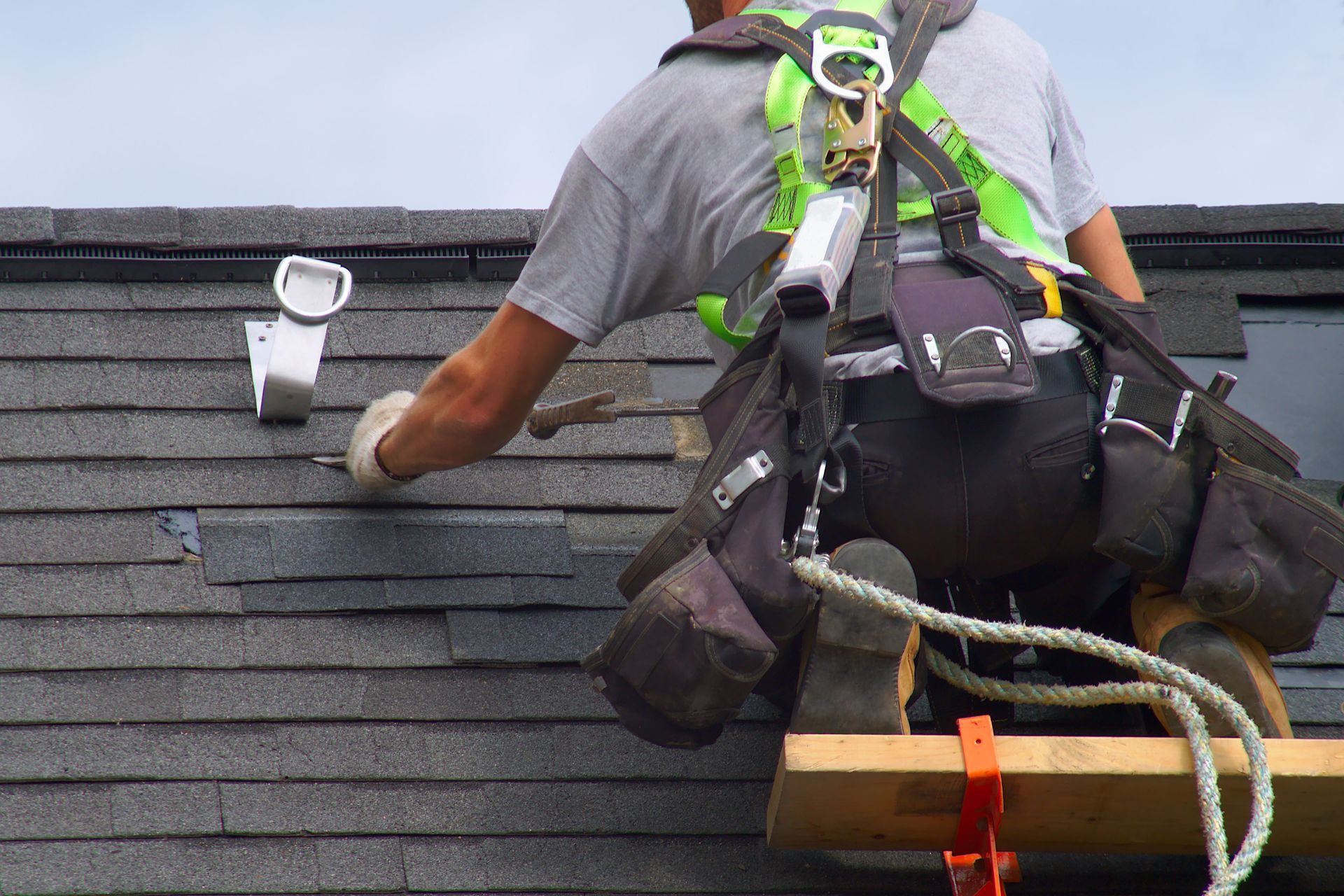
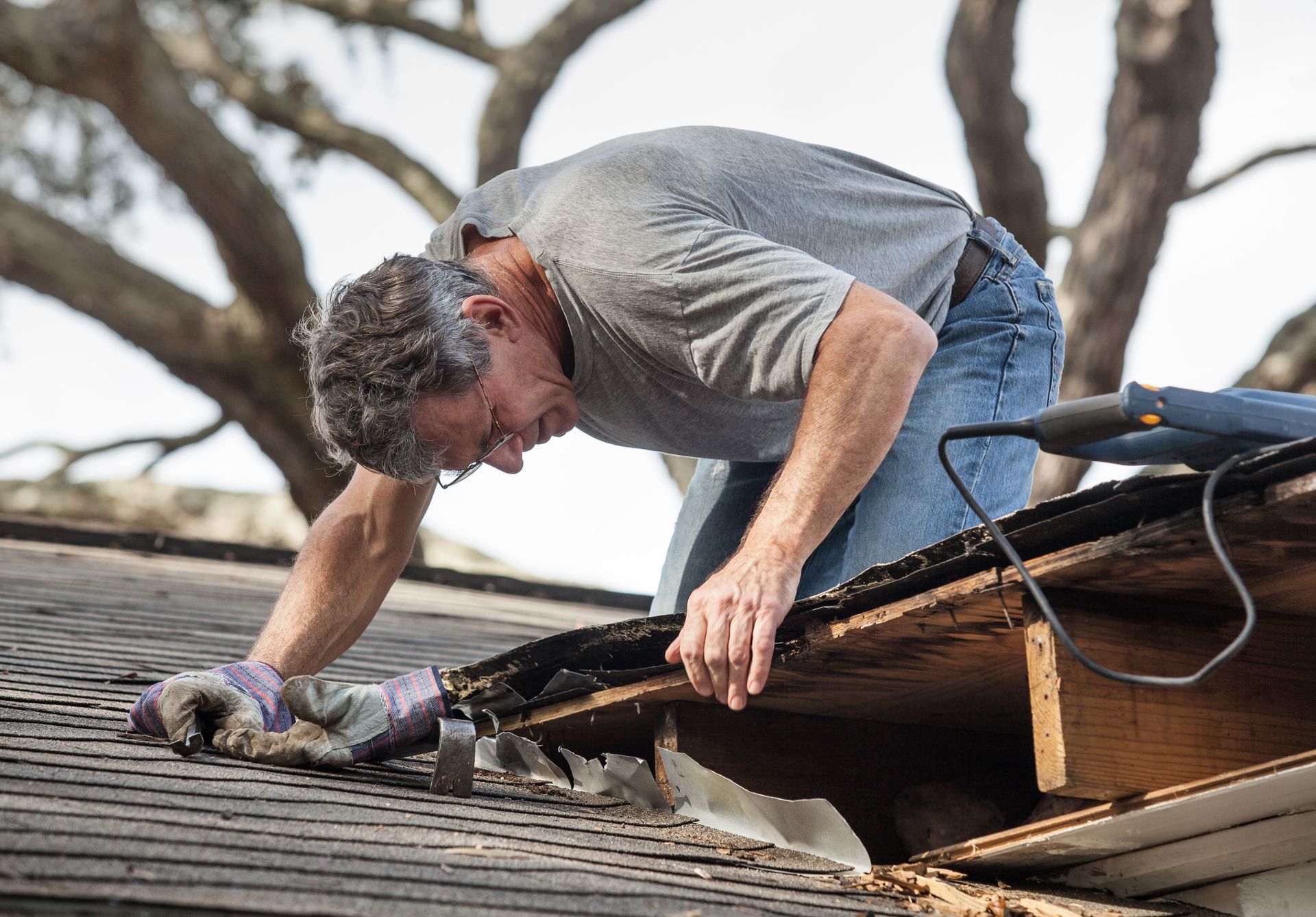
Local roofers typically begin by inspecting the existing roof and underlying structure. A roof replacement is not simply a matter of placing new shingles over an old surface. Contractors need to look for damaged decking, moisture intrusion, inadequate ventilation, and other problems that could affect the finished roofing system.
Once the surface has been properly prepared, installers can add the necessary underlayment and flashing. These components help protect vulnerable areas from water intrusion. Flashing is particularly important around chimneys, vents, skylights, valleys, and other locations where different roof surfaces meet.
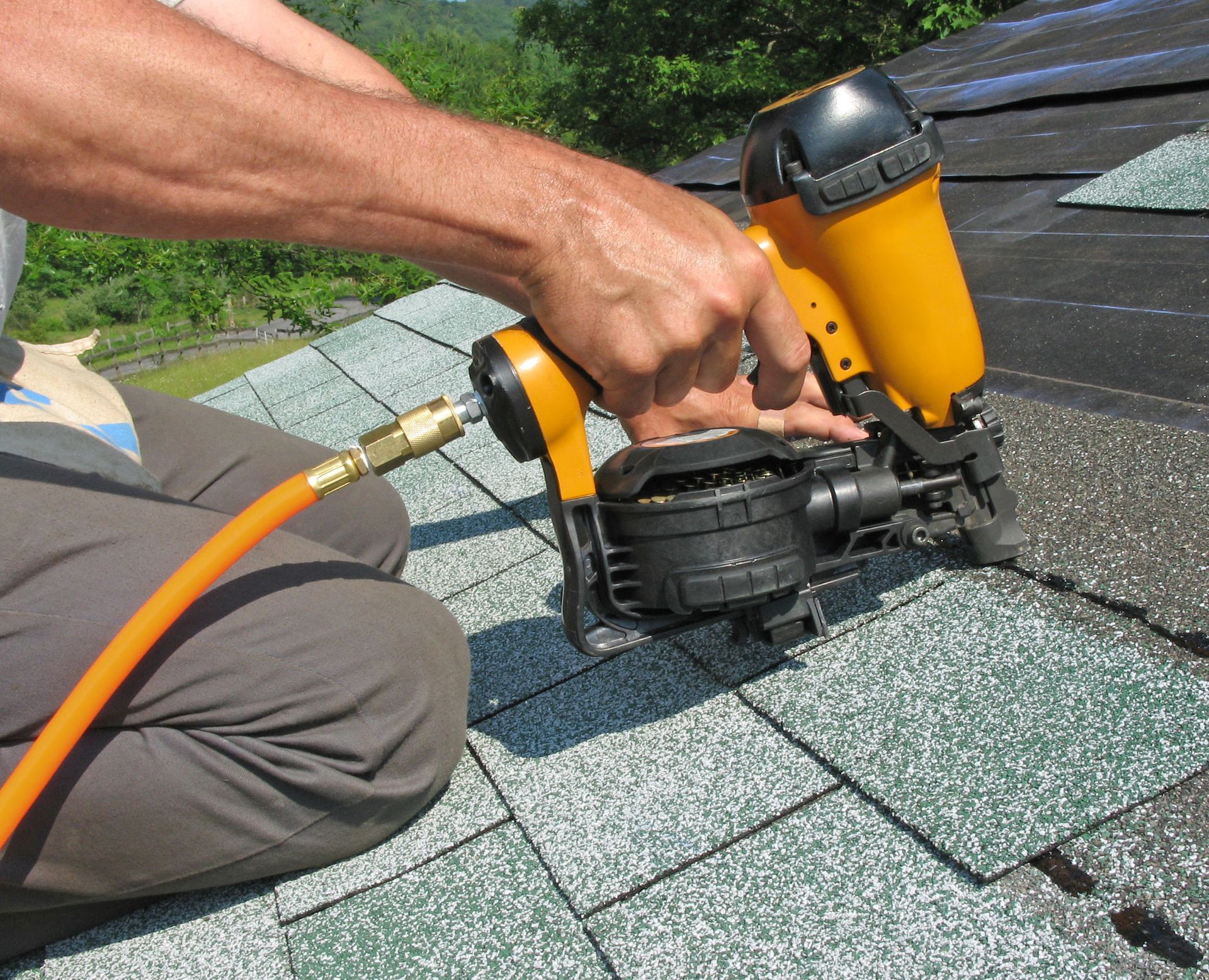
Proper shingle placement is equally important. Installers must follow the manufacturer's instructions regarding fastener placement, alignment, and overlap. Inadequate or incorrectly positioned fasteners can make shingles more vulnerable to wind damage. Poor alignment can also affect the appearance of the roof and create potential pathways for water intrusion.
Ventilation is another essential part of a quality roofing system. Adequate attic ventilation helps regulate temperature and moisture levels beneath the roof. Without proper airflow, excess heat and moisture can contribute to premature deterioration of roofing materials and create other problems inside the attic.
Are Asphalt Roofs Environmentally Friendly?
Environmental considerations have become increasingly important to homeowners in 2026. While no roofing material has zero environmental impact, asphalt roofing has made progress in addressing concerns related to waste and sustainability.
One of the most important environmental advantages of asphalt shingles is their recyclability. Old shingles removed during a roof replacement can potentially be processed and reused in certain applications, including road construction. Recycling can reduce the amount of roofing material sent to landfills while giving old shingles another useful purpose.
Manufacturers have also continued to explore ways to improve the sustainability of roofing products. Some asphalt shingles incorporate recycled materials, reducing the need for entirely new raw materials during production. Homeowners interested in reducing the environmental impact of a roofing project can ask their contractor about available products with recycled content.
Local roofers can also contribute to more sustainable roofing projects through responsible disposal and recycling practices. Rather than sending all removed shingles directly to a landfill, contractors may work with recycling facilities when appropriate options are available in their area.
Energy efficiency is another factor worth considering. Certain asphalt shingles are designed to reflect more sunlight, which may help reduce heat absorption. In some homes, this can contribute to lower cooling demands during hot weather. The overall effect depends on factors such as the roofing system, attic insulation, ventilation, and local climate, but energy performance is becoming an increasingly important consideration for homeowners.
What Maintenance Does an Asphalt Roof Require?
Asphalt roofs are often considered relatively easy to maintain, but that does not mean they should be ignored after installation. Routine inspections can help identify small problems before they develop into more expensive repairs.
Homeowners should periodically look for missing, cracked, curled, or damaged shingles. Areas around flashing, vents, and chimneys also deserve attention because these locations can be more vulnerable to water intrusion. Moss, algae, and debris may create additional concerns depending on the property's location and surrounding environment.
Keeping gutters and downspouts clear is another important part of roof maintenance. Clogged drainage systems can cause water to back up near the edge of the roof, potentially contributing to moisture damage. Overhanging branches should also be trimmed when possible to reduce the risk of falling limbs and excessive debris accumulation.
Local roofers can provide professional inspections when homeowners are unsure about the condition of their roofs. A professional may be able to identify problems that are difficult to spot from the ground, including subtle signs of moisture intrusion or deterioration around roof penetrations.
How Does Asphalt Compare With Other Roofing Materials in 2026?
Homeowners in 2026 have access to more roofing materials than ever before. Metal roofing, clay and concrete tile, slate, synthetic products, and other alternatives can all offer distinct advantages. However, asphalt continues to be popular because it offers a practical balance of cost and performance.
Metal roofing can provide excellent durability and may last longer than many asphalt products, but the initial investment is often higher. Tile and slate can offer impressive longevity and distinctive appearances, but they may also require additional structural considerations and carry higher material and installation costs.
Synthetic roofing products can replicate the appearance of slate, wood, or other materials while reducing some of the weight associated with traditional options. However, their cost and availability can vary. For many homeowners, asphalt remains the more familiar and accessible choice.
Local roofers often work with multiple roofing materials, but asphalt shingles remain a common recommendation for homeowners seeking a straightforward residential roofing solution. The material is widely available, relatively easy to repair, and offered in styles that can complement nearly any type of home.
Why Asphalt Remains a Leading Choice for Homeowners
Asphalt roofing continues to stand out in 2026 because it combines affordability, versatility, dependable performance, and broad availability. Improvements in product design and recycling practices have also helped the material remain relevant as homeowners place greater emphasis on durability and environmental responsibility.
Quality installation remains essential, which is why choosing experienced local roofers can make such a difference. From preparing the roof deck to installing flashing, underlayment, ventilation components, and shingles, professional workmanship helps support the performance of the entire roofing system.
With regular maintenance and timely repairs, asphalt shingles can provide years of protection for residential properties. For homeowners seeking a roofing material that offers a practical blend of value, appearance, and performance, asphalt remains one of the leading choices available in 2026. If you're looking for a long-lasting asphalt roof, reach out to the team at Rainier Roofing Company today!