June 10, 2026
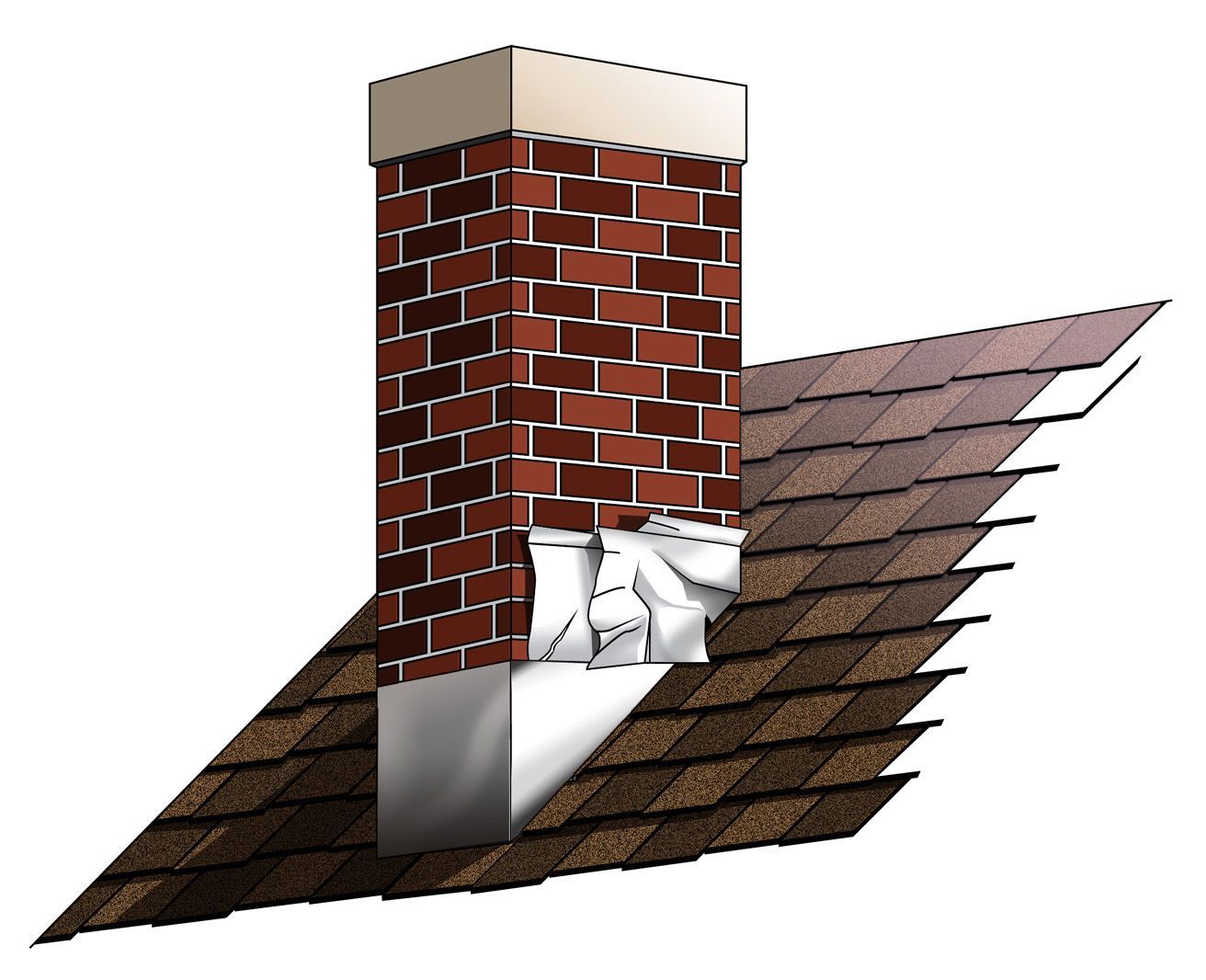
Chimney flashing plays a critical role in protecting your home from the elements. It is made of materials like aluminum and copper, installed around the base of your chimney to create a watertight seal. The primary purpose of flashing is to divert water away from the chimney and prevent leaks into the home. However, over time, flashing can deteriorate or become damaged, leading to several potential issues. Timely detection and repair of flashing problems can save homeowners from severe water damage and costly repairs. A roofer can inspect these areas and determine whether your chimney flashing needs repair or replacement.
Understanding the importance of maintaining chimney flashing is essential for every homeowner. Inefficient flashing can lead to water ingress, structural damage, and even mold growth. These problems are not only costly to repair but can also pose health risks to the inhabitants of the home. Moreover, repair costs increase significantly when minor flashing issues are left unaddressed. According to Today's Homeowners, 40% of homeowners say they need a roof replacement in the next five years, which shows how important it is to address roof-related problems before they become larger concerns. As a result, regular inspections and proactive maintenance are crucial to preserving the integrity of your home.
This article will explore various signs that indicate the need for chimney flashing repair. By recognizing these signs early, you can take the necessary steps to mitigate damage and avoid expensive repairs. The article will cover everything from water leaks and rust to drafts and mold, providing a comprehensive look at potential problems and solutions. Regular inspection and maintenance from a roofer can protect your home's value and support a safe living environment.
1. Water Leaks In The Attic Or Ceiling
Water leaks are one of the most obvious signs of chimney flashing problems. When flashing becomes compromised, rainwater can seep into your attic or ceiling, leading to visible water stains. These stains are typically brown or yellow and can expand over time if the leak is not addressed. Identifying water stains early can prevent further damage to drywall, insulation, and wood framing. Prompt attention to the source of the leak can save you from more extensive repairs down the line.
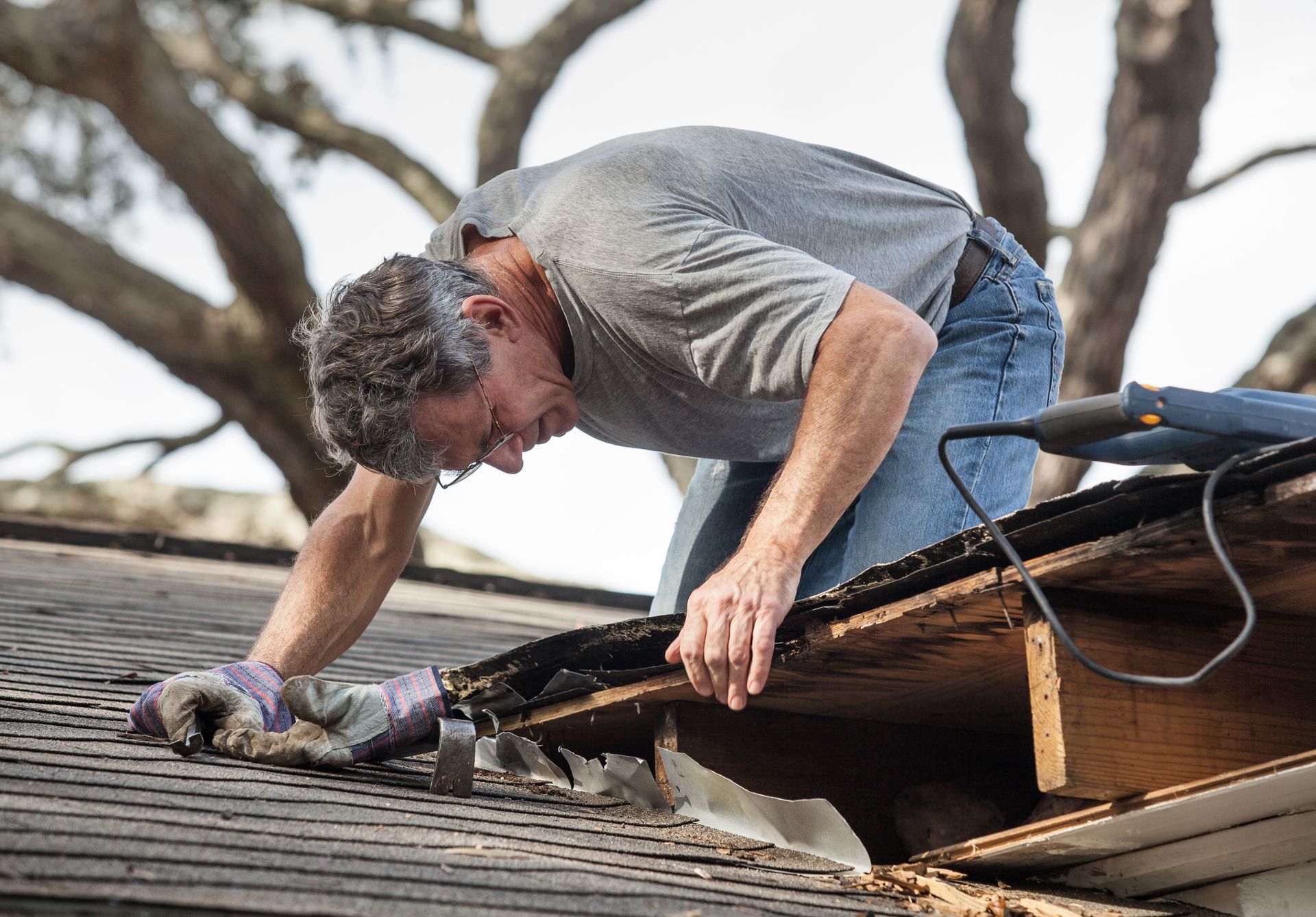
Understanding the source of leaks is crucial for effective repair. Water can travel along rafters and beams, making it difficult to locate the origin of the problem. A thorough inspection of the flashing and surrounding areas can reveal wear, gaps, or material deterioration. In many cases, the flashing may need to be resealed or replaced to stop the leak. A roofer can identify whether the issue is limited to the flashing or connected to other roof concerns.
The relationship between flashing and water damage is direct and critical. Properly installed and maintained flashing acts as a barrier against moisture ingress. When this barrier is compromised, the results can be costly and hazardous. Immediate steps should be taken when leaks are found, including removing wet materials and confirming proper ventilation in the attic. Consulting a roofer can provide an accurate diagnosis and the best course of action to repair or replace faulty flashing.
2. Visible Rust Or Corrosion On Chimney Flashing
Rust and corrosion are clear indicators that your chimney flashing may require repairs. Metal flashing materials are prone to deterioration when exposed to continuous moisture and harsh weather conditions. Signs of corrosion include reddish-brown rust spots and a rough, flaking texture. Rust weakens the structural integrity of the flashing and reduces its ability to effectively channel water away from the chimney. Early detection and treatment of rust can prevent more extensive damage to the roof and home.
Rust significantly impacts flashing's effectiveness in protecting your home from water intrusion. Once rust takes hold, it can spread rapidly, leading to holes and weakened areas vulnerable to leaks. Differences in corrosion between materials can affect the suitability of certain types of flashing for specific environments. Homeowners should invest in non-corrosive materials and apply protective coatings to extend the life of their flashing. Professional inspection of flashing should be conducted regularly to identify and remedy early signs of rust or corrosion.
3. Damaged Or Missing Flashing
Flashing can become damaged or go missing due to a variety of reasons, including weather events and improper installation. Severe storms, strong winds, or falling debris can dislodge or deform flashing components. Over time, the adhesive or nails securing the flashing may also fail, leading to sections of the flashing pulling away from the chimney. Damage or missing flashing leaves your home vulnerable to water intrusion and erosion of the roofing structure.
Identifying missing flashing components is vital to maintaining the overall integrity of your roof. Homeowners should routinely inspect the roof for gaps, missing pieces, or signs of detachment around the chimney. Even small deficiencies can lead to significant problems if ignored. Missing flashing disrupts the intended water-shedding path and allows water to penetrate the roofing materials. A roofer can provide a professional assessment and complete repairs that are designed for long-term protection.
Ignoring flashing damage can result in long-term consequences for both the roof and the interior of the home. Water penetration can deteriorate supporting structures and compromise the insulation, leading to higher energy costs. In addition, persistent moisture problems can foster mold and mildew growth, posing health risks. It is essential to address flashing issues promptly by consulting an experienced roofer who can recommend durable repair solutions. Investing in quality flashing repairs can help safeguard your home from extensive damage and prolong its lifespan.
4. Presence Of Mold Or Mildew
The development of mold or mildew around your chimney is often linked to flashing issues. When flashing fails to prevent water intrusion, damp areas provide the ideal environment for mold growth. Mold can appear as black or green patches on ceilings, walls, or even the chimney itself. It spreads quickly in moist environments and can cause significant damage if not remedied. Detecting and repairing flashing problems early can prevent breeding grounds for mold and mildew.
Mold poses various health risks to the inhabitants of a home, especially those with allergies or respiratory conditions. Mold spores can become airborne, leading to symptoms such as coughing, sneezing, and nasal congestion. Prolonged exposure may exacerbate asthma or cause more serious health complications. Identifying mold in hard-to-reach areas, such as behind walls or inside attic spaces, often requires a professional assessment. A roofer can help locate the source of roof-related moisture before the mold problem spreads.
Remediating mold involves identifying and eliminating the source of moisture and thoroughly cleaning affected areas. Professional mold remediation services may be necessary to tackle severe infestations and confirm complete removal. Homeowners can also take preventive measures once repairs are completed, such as improving ventilation and controlling indoor humidity. Future prevention of mold around chimneys requires regular inspections of flashing for leaks and necessary maintenance to avoid moisture retention. Proactive care can maintain a healthy, mold-free living environment.
Recognizing the signs that indicate the need for chimney flashing repair can save homeowners from substantial structural damage and expenses. From water leaks and rust to mold and insulation issues, these red flags point to potential flashing failures that require immediate attention. Timely maintenance and repairs can prevent further deterioration, protect your home’s value, and support the safety and comfort of its occupants. Regular inspection by a roofer can help detect and resolve flashing-related problems before they escalate. Homeowners should consider scheduling routine chimney assessments to maintain their property’s integrity and avoid costly repairs. Contact Rainier Roofing Company today to learn more.